Creative Ways to Hide a Washing Machine Inside a Small Bathroom or Kitchen
A washing machine is essential, but its size, exposed controls, hoses, and modern finish can disrupt a carefully designed bathroom or kitchen. This is especially noticeable in small homes, where the appliance may sit directly beside a vanity, worktop, shower, or dining area.
The most effective way to hide a washing machine is to integrate it into the room rather than simply placing an object in front of it. Cabinet doors, curtains, sliding panels, extended countertops, and coordinated utility cupboards can conceal the appliance while preserving ventilation, plumbing access, and comfortable operation.
The right solution depends on whether the machine is front-loading or top-loading, built-in or freestanding, and located in a wet bathroom or working kitchen.
First Decide What “Hidden” Should Mean
Not every washing machine needs to disappear completely. In some rooms, reducing its visual impact is enough.
Choose one of three levels of concealment:
Fully Concealed
The appliance sits behind cabinet or sliding doors and is invisible when not in use. This produces the cleanest appearance but requires careful measurements and ventilation.
Partially Concealed
A countertop, side panels, or curtain hides most of the machine while leaving the front accessible. This is often the most practical and affordable option.
Visually Integrated
The washing machine remains visible, but surrounding materials and storage make it feel like part of the room. This works well when space is extremely limited.
Your chosen level should reflect the available space, budget, appliance type, and frequency of use.
The Cabinet Disguise
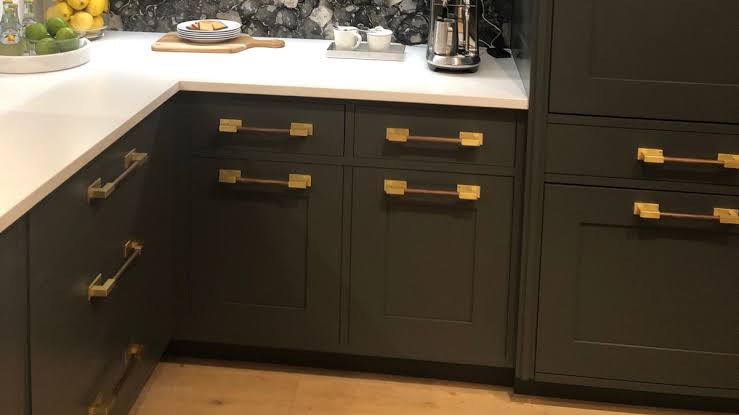
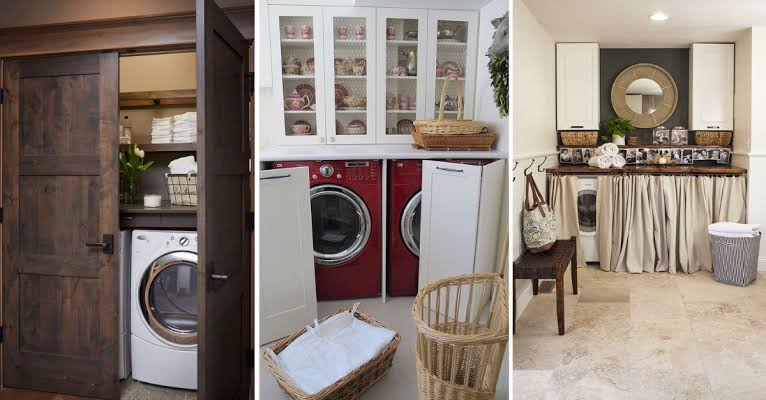
Placing a washing machine inside a cabinet creates a fitted, streamlined appearance. In a kitchen, the cabinet fronts can match the existing units. In a bathroom, the enclosure can coordinate with the vanity or linen storage.
A front-loading machine is easiest to conceal because it can sit beneath a countertop with doors installed in front. Depending on the available width, use one wide door, two narrower doors, or a folding design.
Cabinet doors must open far enough to allow the washing-machine door, detergent drawer, and filter to operate. The enclosure should also provide access to the plug, water valves, and drainage connections.
Do not build a tight box around a freestanding appliance. Washing machines move during spinning and may require clearance around the sides, back, and top. Follow the manufacturer’s ventilation and installation requirements.
For a visually quiet result, use handleless doors or small handles that match the rest of the cabinetry.
The Countertop Integration
An extended countertop is one of the simplest ways to make a washing machine look intentional. It creates a continuous horizontal surface and turns the appliance area into usable workspace.
In a kitchen, the countertop can continue from the main cabinets across the washer. In a bathroom, it may connect the washing machine to the vanity.
The surface can be used for:
- Folding clothes
- Storing laundry products
- Holding bathroom accessories
- Supporting baskets
- Extending food-preparation space where appropriate
Select a moisture-resistant, easy-to-clean material. Laminate, sealed wood, compact laminate, solid surface, and suitable stone are common options.
A countertop alone will not hide the front of the machine, but adding side panels can make it appear built in. A curtain or door can then provide full concealment if required.
The Soft Curtain Solution
A curtain is an affordable way to hide a washing machine without installing permanent cabinetry. It works particularly well in rented homes, cottage-style kitchens, and relaxed bathrooms.
Mount the fabric beneath a countertop using a tension rod, slim track, or hook-and-loop system. The curtain can be pulled aside easily when the appliance is in use.
Choose washable fabric that suits the room. Plain linen-effect material creates a soft neutral appearance, while a subtle stripe or small pattern can add character.
In bathrooms, avoid heavy fabric that absorbs moisture and dries slowly. Keep the curtain away from direct water and ensure the room has effective ventilation.
The fabric should not touch the floor excessively or interfere with the washing-machine door. It must also remain clear of ventilation openings.
The Pocket or Sliding-Door Screen
Swinging cabinet doors require clearance, which may be unavailable in a narrow kitchen or bathroom. Sliding doors offer concealment without opening into the walkway.
Possible systems include:
- Sliding cabinet fronts
- Pocket doors
- Tambour doors
- Folding panels
- Lightweight wall-mounted tracks
A sliding panel can conceal the washing machine when it is not being used and move across an adjacent cabinet when access is needed.
Before selecting this solution, confirm that the panel has somewhere to slide. The design should not block nearby drawers, handles, switches, or bathroom fixtures.
Tambour doors are useful in compact spaces because they roll or slide vertically, but they require a properly constructed cabinet system.
The Utility Cupboard Transformation
If enough vertical space is available, create a full-height utility cupboard around the washing machine. The appliance occupies the lower section, while the upper area provides storage for detergent, towels, cleaning supplies, or household equipment.
A utility cupboard can include:
- Adjustable shelves
- Laundry baskets
- A hanging rail
- An ironing-board compartment
- Ventilated doors
- Cleaning-tool storage
- A pull-out folding shelf
Keep potentially hazardous products out of children’s reach. Store heavy bottles on secure shelves rather than directly above the machine where vibration may cause movement.
Ventilation and service access are essential. The cupboard should not trap excessive heat or humidity, and the machine must remain removable for repair or replacement.
The Vanity Extension for Bathrooms
In a small bathroom, the washing machine can be incorporated into an extended vanity. The sink occupies one section, while the appliance sits beneath the same countertop.
Using matching side panels and cabinet fronts helps the two functions appear as one piece of furniture. A continuous backsplash can strengthen the integrated effect.
This arrangement is most practical with a front-loading washer. The sink plumbing, machine hoses, electrical connection, and drainage must be planned to avoid conflicts.
Bathroom electrical work must comply with applicable safety rules concerning wet areas. A qualified professional should confirm that the appliance location, outlet, and connections are suitable.
Use moisture-resistant cabinetry and seal exposed edges carefully.
The Appliance Garage Concept
An appliance garage is a countertop-level enclosure with a front that lifts, folds, or slides away. Although commonly used for small kitchen appliances, the same visual concept can inspire a washing-machine enclosure.
The washer sits below the counter while a retractable or folding front conceals it. When opened, the panel stays out of the way rather than occupying the floor area.
This option suits highly customised kitchens where a continuous run of cabinetry is important. It generally requires made-to-measure joinery and precise hardware.
The door system must be strong enough for repeated use and designed so it cannot close unexpectedly while the washer is being loaded.
The Colour-Matching Strategy
Sometimes there is not enough space for doors, curtains, or additional panels. In that case, reduce the visual contrast between the washing machine and its surroundings.
A white machine will blend more easily with white cabinets, pale walls, and a light countertop. A black or graphite appliance can relate to dark cabinetry, black hardware, or a deep backsplash.
Do not paint the appliance unless the method is suitable for its surface and does not interfere with controls, ventilation, safety labels, or the warranty.
Instead, repeat the machine’s colour elsewhere. Matching handles, shelves, tiles, or accessories will make its finish look deliberate.
A well-organised laundry zone can feel integrated even when the appliance remains visible.
The Decorative Panel Approach
A removable decorative panel can hide the washing machine when it is not operating. It may resemble a cabinet door, artwork, slatted screen, or lightweight room divider.
The panel must be easy to remove and should never restrict ventilation while the machine is running. It also needs stable storage when moved aside.
This approach is most useful where permanent cabinetry is impossible. For example, a framed slatted panel can sit in front of a recessed appliance and be lifted away for laundry use.
Avoid unstable screens in busy walkways. A panel that falls, blocks the exit, or becomes difficult to move will quickly become impractical.
Solutions for Top-Loading Washing Machines
Top-loading machines are more difficult to conceal because their lids require open space above. A fixed countertop cannot usually sit directly over them.
Better options include:
A Hinged Countertop
A worktop section can lift to provide access to the machine. The hinges and supports must accommodate the weight of the surface and keep it safely open during use.
A Sliding Countertop
The surface slides sideways or forward when the machine is needed. This requires sufficient adjacent space and durable hardware.
A Folding Screen
A narrow screen can hide the front and side while leaving the top accessible. It should be moved clear during operation if it affects ventilation.
A Full-Height Cupboard
The machine can sit inside a ventilated cupboard with doors that open completely. The shelf above must be positioned high enough for the lid and detergent loading.
Always measure the top-loading machine with its lid fully open before planning the enclosure.
Small-Kitchen Design Blueprint
For a compact kitchen, place a front-loading washing machine beneath the main countertop. Add matching cabinet side panels and conceal the front with doors that align with nearby units.
Store detergent in a child-safe upper cupboard or a pull-out compartment beside the machine. Keep laundry products separate from food and food-preparation items.
If cabinet doors would block circulation, leave the machine accessible and use consistent finishes to integrate it visually. A continuous worktop and matching plinth can still produce a fitted appearance.
Avoid locating the washing machine where its open door obstructs the kitchen’s main working route.
Small-Bathroom Design Blueprint
Position the washer beside the vanity and cover both areas with a continuous moisture-resistant countertop. Use a shallow upper cupboard for towels and laundry products.
If the bathroom is too narrow for cabinet doors, install a washable curtain beneath the counter. Choose fabric that coordinates with the shower curtain, towels, or wall colour.
A mirror extending across the vanity and appliance area can make the bathroom feel wider. However, ensure that all electrical and plumbing installations are appropriate for a wet environment.
Keep the machine away from direct shower spray and maintain access to shut-off valves and the filter.
What Must Remain Accessible?
A concealed washing machine still needs regular maintenance. The design should allow easy access to:
- Power connection
- Water inlet valves
- Drainage hose
- Detergent drawer
- Pump filter
- Appliance door or lid
- Emergency shut-off point
- Ventilation openings
- Service panels
The entire machine should be removable without dismantling permanent parts of the room wherever possible.
A beautiful enclosure that prevents repairs or makes leaks difficult to detect is not a successful design.
Ventilation, Movement, and Moisture
Washing machines generate heat, vibration, and moisture. Enclosures must account for all three.
Leave the clearances specified by the appliance manufacturer. A tight enclosure may increase noise, restrict airflow, or allow the machine to strike surrounding cabinetry during the spin cycle.
Use moisture-resistant materials around bathroom installations and seal vulnerable edges. Check hoses and connections regularly for leaks.
Cabinet or closet doors may need ventilation grilles, gaps, or another form of airflow. Requirements differ by appliance and installation, so follow the manufacturer’s guidance rather than relying on a universal measurement.
Design Details That Improve the Result
Concealment will look more convincing when the appliance zone connects with the rest of the room.
Repeat the same:
- Cabinet colour
- Handle finish
- Countertop material
- Plinth height
- Door proportions
- Backsplash treatment
- Decorative hardware
Align the enclosure with nearby cabinets whenever possible. Uneven doors, mismatched gaps, and abrupt countertop changes can draw more attention to the washing machine.
Keep visible laundry products inside matching containers or baskets, but retain important safety and usage information.
Choose the Best Solution for Your Situation
| Situation | Most practical approach |
| Rental home | Curtain or removable screen |
| Front-loading machine | Cabinet doors beneath a countertop |
| Top-loading machine | Hinged worktop or ventilated cupboard |
| Narrow walkway | Sliding or folding door |
| Small bathroom | Extended vanity with moisture-resistant panels |
| Compact kitchen | Integrated cabinet run |
| Very limited budget | Countertop, curtain and organised storage |
| Need for extra storage | Full-height utility cupboard |
| No space for an enclosure | Colour matching and visual integration |
Final Perspective
Hiding a washing machine successfully requires more than placing a door in front of it. The enclosure must accommodate the way the appliance opens, moves, ventilates, drains, and receives maintenance.
A fitted cabinet provides the most seamless appearance, while a curtain offers an affordable and flexible alternative. Sliding panels solve clearance problems, and extended countertops turn the appliance area into useful workspace. Where full concealment is impossible, coordinated colours and materials can make the machine feel like an intentional part of the interior.
Plan around access and safety first. Once those requirements are protected, the washing machine can be concealed in a way that makes even a small bathroom or kitchen feel calmer, cleaner, and better organised.
Reader Questions
Can a freestanding washing machine be placed inside a cabinet?
Yes, but it should not be treated like a fully integrated model. Provide the clearances, airflow, access, and installation conditions specified by its manufacturer.
Can you put a countertop over a washing machine?
A countertop can usually be installed over a front-loading machine when adequate clearance and support are provided. The worktop should not rest directly on the appliance.
Is it safe to put a washing machine in a bathroom?
It may be possible, but electrical zones, moisture protection, ventilation, plumbing, and local regulations must be considered. Professional advice is recommended.
How do you hide a top-loading washing machine?
Use a hinged or sliding countertop, folding screen, or full-height cupboard that leaves sufficient space for the lid to open completely.
Should cabinet doors remain open while the machine runs?
This depends on the appliance and enclosure design. If closed doors restrict airflow or trap heat and moisture, they should remain open. Follow the appliance manufacturer’s installation guidance.