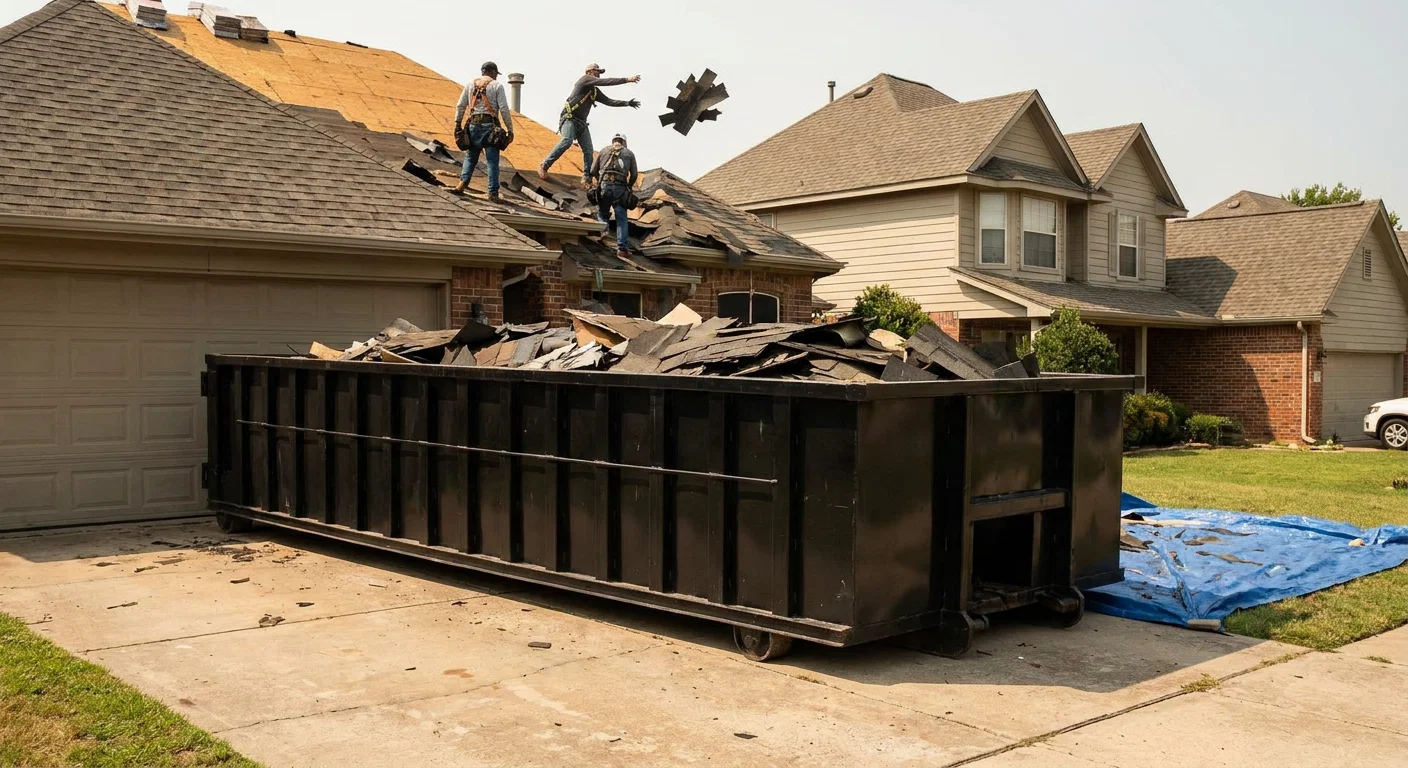
Dumpster Rental Planning for Roofing Crews Working on Multiple Structures
Roofing crews working on multiple structures have more to manage than a standard single-roof project. A contractor may be handling a main house, detached garage, barn, shed, outbuilding, apartment building, duplex, commercial accessory structure, or several units on the same property. Each roof can create tear-off debris, underlayment, flashing, fasteners, vents, drip edge, packaging, damaged decking, and old trim materials that need to move off the site efficiently.
Dumpster rental planning helps roofing crews keep each structure organized without letting debris spread across the property. The container must be placed where crews can load safely, service trucks can reach it, and work can continue on more than one roof without constant rehandling. When the waste plan matches the project layout, crews can move from structure to structure with fewer delays.
Start With the Full Property Layout
Before scheduling a dumpster, roofing contractors should review the full property layout. The plan should identify every structure being worked on, the distance between buildings, driveway access, gates, fences, overhead lines, landscaping, parking areas, slopes, and any shared paths. A container location that works well for the main house may not support a detached garage or rear outbuilding.
The layout review should also include where crews will stage materials, park trucks, set ladders, and move tear-off debris. If the project involves several buildings, the best dumpster location may be a central spot with clear access from multiple work zones.
A strong layout review prevents crews from choosing a container location that only solves part of the project.
Match Dumpster Timing to Tear-Off Phases
Roofing debris usually comes off quickly during tear-off. On a multi-structure job, that debris may come in waves as crews move from one roof to the next. If the dumpster is not available at the right time, torn-off shingles and underlayment may pile up in driveways, yards, or staging areas.
Contractors should schedule dumpster delivery before the first major tear-off begins. If several structures are being completed over multiple days, pickup or replacement may need to be planned between phases. A full container near the beginning of the job can slow the remaining work.
Timing should follow the roofing schedule, not just the first day of activity.
Choose Placement That Supports Multiple Work Areas
Dumpster placement is more complicated when roofing crews are working on several structures. The container should be close enough to reduce carrying time, but it should not block driveway access, material deliveries, ladder setup, parking, garage doors, tenant entrances, or service routes. On larger properties, one central location may work better than moving debris long distances from each building.
Working with Waste Removal USA can help roofing contractors coordinate dumpster rental placement and service timing around multi-structure roofing projects. A practical placement plan helps crews load debris efficiently while keeping the rest of the site functional.
The best location is the one that serves the whole project, not just the closest roof edge.
Plan Debris Routes for Each Structure
Each roof should have a clear debris route. This is the path material takes from the work area to the dumpster, whether crews are carrying debris, using tarps, moving carts, or collecting material from ground-level drop zones. On multi-structure projects, each route may be different.
A detached garage may use the driveway. A shed may require a yard route. A barn or outbuilding may involve a gravel lane or open field. Multi-unit properties may require paths that avoid tenant walkways, parking areas, or shared entrances.
Planning these routes before work begins helps prevent scattered debris and repeated cleanup passes.
Protect Ground-Level Drop Zones
Roof tear-off creates debris that can damage landscaping, siding, windows, decks, patios, driveways, and outdoor fixtures if drop zones are not controlled. When multiple structures are involved, crews may need several protected drop areas. Each one should be planned before material comes off the roof.
Tarps, plywood, and careful staging can help collect shingles, nails, underlayment, and small scraps. Crews should avoid dropping debris into flower beds, against garage doors, near vehicles, or close to finished outdoor living areas. Drop zones should also stay away from areas used by homeowners, tenants, pets, or other workers.
Controlled drop zones make loading faster and reduce final cleanup problems.
Watch for Weight From Shingles
Roofing debris can become heavy quickly. Asphalt shingles, wet underlayment, old decking, flashing, fasteners, and roofing accessories may fill a dumpster by weight before it appears full. Multi-structure projects increase that concern because each roof adds another layer of dense debris.
Contractors should estimate debris based on the number of structures, roof size, layers, and tear-off materials. If older roofs have multiple shingle layers, the container may fill faster than expected. Damaged decking or soaked material can also add weight.
Weight planning is one of the most important parts of roofing dumpster logistics.
Account for Different Roof Conditions
Not every structure on the property will have the same condition. The main roof may only need shingles removed, while a detached garage may have rotten decking. A shed may have metal roofing, while a porch roof may include old flashing, trim, or water-damaged wood. These differences affect both debris volume and handling.
Contractors reviewing the basics of roofing should apply that same careful assessment to each structure. Roof age, layers, slope, decking condition, drainage, and materials all influence the waste plan.
A multi-structure job should not be estimated as though every roof will produce the same debris.
Coordinate With Material Deliveries
Roofing projects require space for shingles, underlayment, vents, flashing, drip edge, ridge materials, fasteners, ladders, tools, and equipment. On multi-structure jobs, materials may need to be staged in more than one location. The dumpster should not block the best delivery or staging area.
Contractors should compare the dumpster plan with the material delivery schedule. New roofing materials should be kept away from tear-off piles, nails, muddy areas, and service truck routes. If the dumpster is near the delivery area, crews should preserve enough room for both loading debris and unloading supplies.
Waste removal and material staging should work together from the start.
Keep Homeowner or Tenant Access Open
Roofing work around multiple structures often affects daily movement across the property. Homeowners may need to access the garage, driveway, mailbox, patio, shed, pet area, or side gate. On rental or multi-unit properties, tenants may need parking, walkways, trash areas, and entry doors to stay open.
Contractors should identify these access needs before placing the dumpster. If a route will be temporarily blocked, the affected people should know when and for how long. Debris should not be left in shared paths at the end of the day.
A roofing project feels more professional when normal access is protected as much as possible.
Plan for Nails and Small Debris
Nails, staples, shingle granules, flashing scraps, broken shingles, plastic caps, and cut pieces can spread widely during roof tear-off. When crews move between structures, small debris can end up in several parts of the property. This can create problems for tires, pets, children, tenants, landscaping, and finished surfaces.
Each structure should have its own small-debris cleanup routine. Crews should sweep or collect debris around drop zones, walkways, driveways, and the dumpster area. Magnetic sweeping is especially useful after tear-off and before vehicles return to normal parking areas.
Small debris control should happen throughout the project, not only at the very end.
Keep Service Access Open
The dumpster must remain reachable for pickup or replacement. On roofing sites, access can be blocked by crew trucks, trailers, shingle pallets, ladders, tear-off piles, homeowner vehicles, or equipment. If the dumpster fills and cannot be serviced, the project may slow quickly.
Contractors should protect the service route from delivery through final pickup. No materials should be stacked in front of the container. If a swap is scheduled, crews and property occupants should know which vehicles or items need to be moved.
A dumpster only supports the roofing schedule if it can be serviced when needed.
Adjust as Crews Move Across the Property
The best waste plan may change as crews finish one structure and move to the next. A dumpster location that worked during the main house tear-off may be less efficient once work shifts to a detached garage or rear building. Contractors should review the setup at each phase.
In some cases, debris routes can be adjusted without moving the container. In other cases, service timing or placement may need to change before the next structure begins. The goal is to prevent crews from carrying heavy roofing debris farther than necessary.
A flexible plan helps multi-structure work stay efficient.
Reset the Site Between Structures
Each completed structure should receive a cleanup reset before crews move fully to the next one. This reset should include loading remaining debris, collecting small scraps, checking landscaping, sweeping driveways or walkways, and confirming that no loose materials remain around the roofline.
A reset between structures prevents debris from stacking up across the property. It also helps the contractor catch missed items while the crew is still nearby. This is especially important on large properties where completed areas may otherwise be ignored until final cleanup.
Phased cleanup keeps the project easier to manage.
Avoid Common Roofing Dumpster Mistakes
One common mistake is placing the dumpster for the first structure without thinking about the rest of the property. Another is underestimating the weight of shingles from multiple roofs. Contractors should also avoid letting tear-off debris pile up in several locations instead of moving it steadily to the container.
It is also a mistake to block material deliveries or service access with the dumpster. Roofing work depends on both debris removal and new material staging. A better plan considers each structure, each route, and each phase before the first tear-off begins.
Dumpster rental planning for roofing crews working on multiple structures requires careful attention to layout, weight, access, debris routes, drop zones, and service timing. Roofing debris is heavy, sharp, and easy to spread across a property if it is not managed consistently.
By reviewing every structure, choosing a placement that supports the whole site, planning routes and drop zones, monitoring shingle weight, coordinating deliveries, protecting access, and resetting each area before moving on, roofing contractors can keep multi-structure projects cleaner and more efficient. A strong dumpster plan helps crews finish each roof without letting debris from one structure slow work on the next.