Leaky Basement: How to Diagnose Causes and Fix It Quickly
Water in your basement signals a problem you should fix promptly to avoid mold, structural damage, and costly repairs. You can stop most basement leaks by locating the source—whether exterior drainage, cracked walls, or faulty pipe seals—and applying targeted fixes like improved grading, repaired masonry, or interior drainage systems.
This post walks you through the common causes and practical solutions so you can diagnose the issue, weigh DIY options, and know when to call a pro. Expect clear, step-by-step guidance that helps you protect your home and regain usable space.
Common Causes of Leaky Basements
You most often find Leaky Basement water entry from structure damage, surface or sub-surface water that isn’t redirected, or pressure in the soil pushing water through joints and cracks. Each cause requires a different inspection focus and repair approach.
Foundation Cracks
Cracks in poured concrete or mortar joints let water follow the path of least resistance into your basement. Look for vertical, horizontal, or stair-step cracks; horizontal cracks and active widening indicate structural movement and need prompt attention.
Small hairline cracks may leak during heavy rains; still, they often allow enough moisture for efflorescence, mildew, or paint failure.
Inspect both interior and exterior walls. On the exterior, check the grade, visible footing, and any gaps where basement walls meet slabs. On the interior, trace damp streaks up from the floor and tap for hollow sounds that signal detachment or voids behind finishes.
Repair options vary: epoxy or polyurethane injections for non-structural cracks, carbon-fiber or helical reinforcement for structural issues, and exterior excavation with waterproof membrane for persistent through-wall leaks.
Poor Drainage Systems
Water pooling near the foundation due to improper slope, clogged gutters, or failing downspouts is a leading cause of basement leaks. Your yard should slope away from the foundation at least 5% (about 6 inches over 10 feet). If it doesn’t, surface water will concentrate at the base of your walls.
Gutters and downspouts must be clean and extend 3–6 feet away from the foundation. Broken or short downspout extensions and disconnected underground drains let roof runoff soak into the soil next to your foundation.
Interior signs include damp floor edges and localized seepage after prolonged rain. Fix grading problems, install or repair downspout extensions, and consider perimeter surface drains or swales. For recurring problems, add an exterior footing drain or a professional French drain to capture and redirect water before it reaches the foundation.
Hydrostatic Pressure
Hydrostatic pressure builds when groundwater rises and pushes against your basement walls and floor, forcing water through joints, cracks, or porous concrete. This pressure increases dramatically after heavy rain or rapid snowmelt and is worse where the water table sits near the foundation.
You’ll see seepage across broad wall areas, water coming up through the floor, or dampness that follows consistent weather patterns rather than isolated events.
Address hydrostatic pressure by lowering the water table around your foundation. Options include installing an exterior drain and waterproof membrane, adding an interior perimeter drain connected to a sump pump, and improving site drainage. Sump pumps must be sized and installed with battery backup if power outages are likely during storms.
Effective Solutions for Basement Leaks
You can stop most basement leaks by choosing the right combination of interior sealing, exterior barrier work, and improved site drainage. Focus on stopping water at the source, managing groundwater, and protecting finished surfaces.
Interior Waterproofing Techniques
Start by locating leak paths: inspect cracks, pipe penetrations, and wall-floor joints under good lighting. Use hydraulic cement to plug active seepage and epoxy or polyurethane injections for structural cracks; these materials bond to concrete and expand to seal gaps.
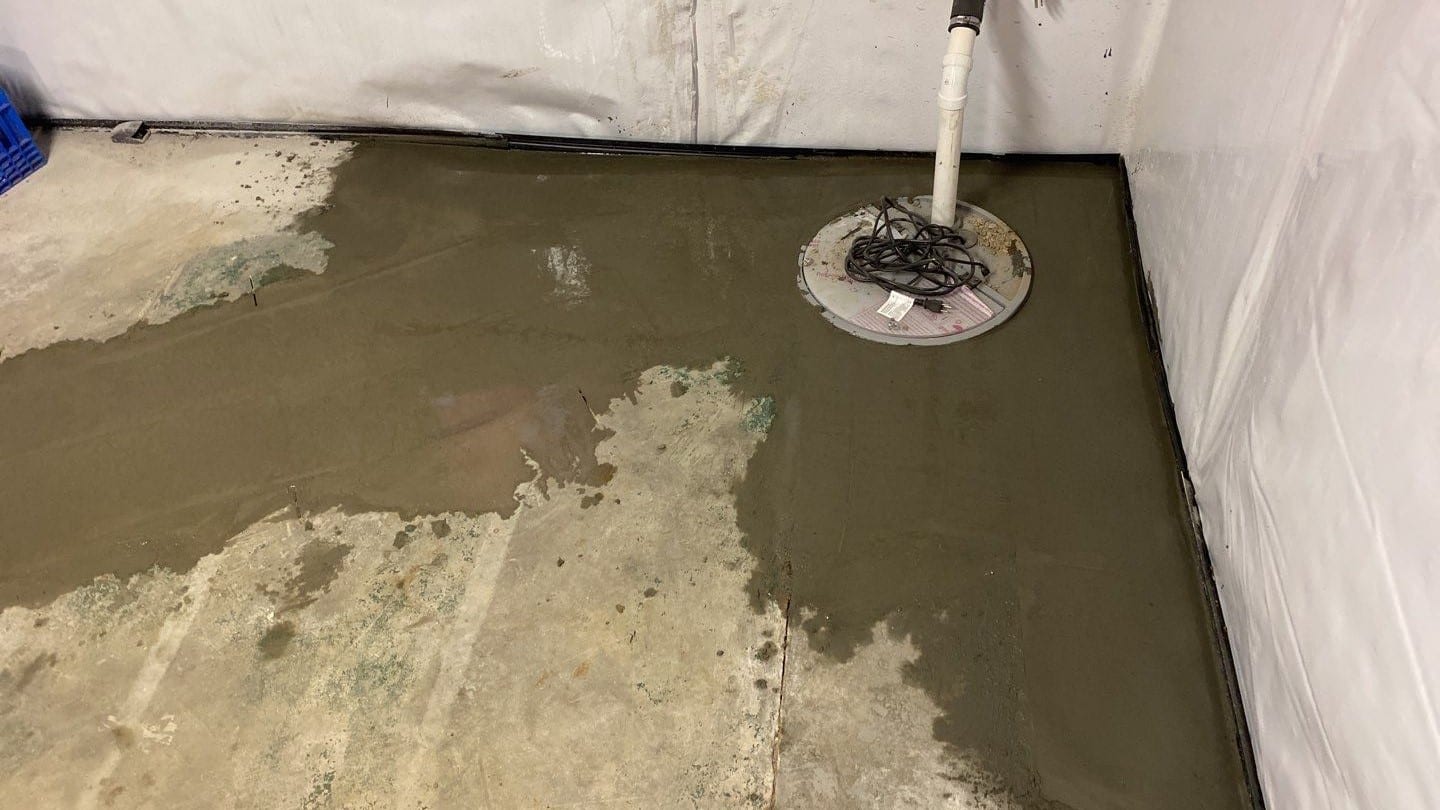
Install an interior drain system (perimeter French drain) if water collects on the floor. The system channels water to a sump pit; pair it with a properly sized sump pump and a battery backup to handle power outages. For wall protection, apply liquid-applied membrane or cementitious waterproofing to masonry after cleaning and repairing surfaces.
Use a dehumidifier rated for your basement size to control moisture and reduce mold risk. When finishing walls, place a vapor barrier and use water-resistant insulation to avoid hidden rot or mold.
Exterior Waterproofing Methods
Exterior work targets soil-side water before it reaches the foundation. Excavate to the footing level, clean the foundation face, and apply a continuous waterproof membrane or rigid insulation with proper adhesive and fasteners. Ensure the membrane overlaps at seams and wraps around corners.
Augment the membrane with a protection board to prevent backfill damage. Replace or repair footing drains (exterior perimeter drain) with perforated pipe surrounded by gravel and filter fabric; slope the pipe to a storm sewer or sump. Tie downspouts to extensions that discharge at least 6 feet from the foundation or into a drainage system.
Exterior grading should slope away from the foundation at a minimum of 5% (6 inches over 10 feet). Use durable backfill and compact in lifts to maintain long-term soil grading.
Fixing Drainage Problems
Check surface grading, downspouts, and gutter systems first. Clean gutters, repair leaks, and attach downspout extenders or buried leaders to carry roof runoff at least 6 feet from the foundation. Use splash blocks only as a temporary measure.
For yard drainage, install swales or French drains to intercept groundwater before it reaches the house. French drains use sloped perforated pipe in a gravel trench wrapped with landscape fabric; they perform well where a concentrated flow of groundwater exists.
If low spots persist near the foundation, regrade with compacted fill and install a catch basin tied to an outlet or sump pump. Consider a professional site drainage evaluation when water flow patterns are complex or when repeated interior pumps are required.
Keep an eye for more latest news & updates on Image Fap!