Smart Toilet Features That Improve Comfort in Contemporary Bathrooms
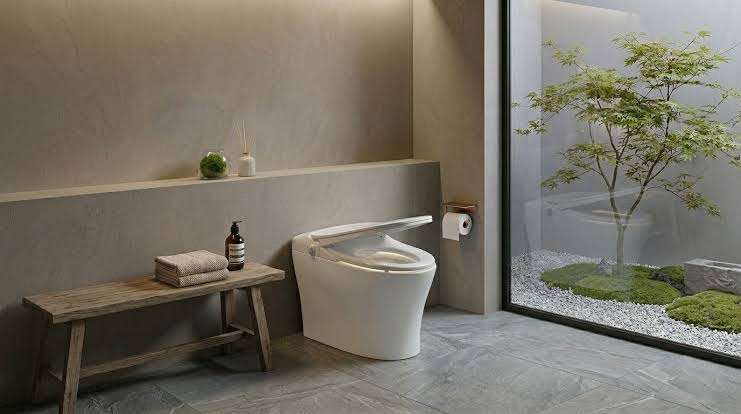
Smart toilets are becoming an increasingly important feature in contemporary bathrooms because they combine hygiene, comfort, convenience, and technology in one fixture. Modern models go far beyond the basic functions of a conventional toilet. They may include heated seats, automatic flushing, integrated bidet washing, warm-air drying, night lighting, deodorizing systems, touch-free lids, adjustable water pressure, and programmable user settings.
These features are designed to make everyday bathroom use more comfortable while also supporting a cleaner and more refined interior. In high-end homes, smart toilets are often selected alongside wall-hung vanities, frameless showers, concealed cisterns, and modern lighting systems to create a coordinated contemporary environment.
The best smart toilet is not necessarily the model with the longest list of features. It should provide reliable hygiene functions, intuitive controls, safe electrical installation, easy cleaning, suitable plumbing compatibility, and a design that complements the rest of the bathroom.
What Is a Smart Toilet?
A smart toilet is a toilet equipped with electronic or automated features intended to improve comfort, hygiene, and ease of use.
Depending on the model, these features may include:
- Automatic lid opening
- Heated seating
- Bidet washing
- Adjustable water temperature
- Warm-air drying
- Automatic flushing
- Deodorization
- Night lighting
- Self-cleaning nozzles
- User memory settings
- Remote controls
- Touchless operation
Some smart toilets integrate all functions into a single unit, while others use an electronic bidet seat installed on a compatible toilet bowl.
Why Smart Toilets Are Popular in Contemporary Bathrooms
Modern bathrooms are increasingly designed around comfort and convenience rather than basic functionality alone.
Homeowners now expect bathroom fixtures to feel intuitive, easy to clean, and visually streamlined.
Smart toilets fit well into this trend because they can reduce the need for separate accessories while providing a more personalized user experience.
They also complement contemporary interiors because many models feature:
- Minimalist shapes
- Concealed connections
- Smooth ceramic surfaces
- Slim seat profiles
- Integrated controls
This allows the toilet to blend more naturally with modern vanities, tiles, and sanitaryware.
Heated Toilet Seats
A heated seat is one of the most recognizable smart-toilet features.
Instead of sitting on a cold ceramic or plastic surface, users can select a comfortable temperature.
This can be particularly appreciated during colder months.
Many models provide several heat settings rather than one fixed temperature.
Benefits of Heated Seats
A heated seat can:
- Improve comfort in winter
- Provide adjustable warmth
- Reduce the unpleasant cold-seat sensation
- Create a more premium bathroom experience
Some systems also include energy-saving modes that reduce heating when the toilet is not in use.
Integrated Bidet Washing
Integrated bidet washing is one of the most important functions of many smart toilets.
A retractable nozzle directs a controlled stream of water for personal cleansing.
Depending on the system, users may adjust:
- Water pressure
- Water temperature
- Spray position
- Spray pattern
Some toilets include separate front and rear washing modes.
The nozzle usually retracts into the toilet body when not in use.
Adjustable Water Temperature
Cold water may be uncomfortable for bidet washing, especially during colder seasons.
Many smart toilets therefore include water heating.
Users may select between multiple temperature settings.
Some models use a storage tank, while others heat water instantly.
Instant Heating Systems
Instant systems heat water on demand.
Potential advantages include:
- Continuous warm water
- Reduced need for an internal tank
- More compact construction
Performance varies by model and electrical capacity.
Adjustable Water Pressure
Personal comfort varies from one user to another.
Smart toilets commonly allow the bidet spray pressure to be adjusted.
Lower settings may provide a gentler wash, while higher settings offer stronger cleaning.
This flexibility can be particularly useful in shared family bathrooms where several people use the same fixture.
Adjustable Nozzle Position
The ability to move the bidet nozzle forward or backward helps users customize the spray location.
This feature can improve both comfort and cleaning accuracy.
Higher-end systems may save nozzle position settings in user profiles.
Oscillating and Pulsating Spray Modes
Some smart toilets offer additional spray patterns.
Oscillating Wash
The nozzle moves gently back and forth to distribute water across a wider area.
Pulsating Wash
The water pressure alternates in a rhythmic pattern.
These settings are intended to provide a more customized washing experience.
Not every user needs them, but they can add flexibility.
Warm-Air Drying
A warm-air dryer can reduce reliance on toilet paper after washing.
The system directs heated air toward the user after the bidet function is complete.
Temperature may be adjustable.
Advantages
Warm-air drying can:
- Improve convenience
- Reduce paper use
- Support a more complete wash-and-dry routine
- Improve comfort
Drying time varies between models, and some users may still prefer limited use of tissue.
Automatic Lid Opening
Automatic lid opening uses sensors to detect when someone approaches the toilet.
The lid then rises without manual contact.
This feature can make the bathroom feel more advanced while reducing the need to touch the seat or lid.
Some systems also close the lid automatically after use.
Touchless Operation
Reducing unnecessary contact with bathroom surfaces can improve convenience.
Touchless functions may include:
- Lid opening
- Flushing
- Seat operation
- Selected wash controls
Some toilets use proximity sensors, while others rely on remote controls or wall panels.
Automatic Flushing
Automatic flushing activates after the user leaves or at the end of a programmed cycle.
This eliminates the need to press a handle or button.
Potential benefits include:
- Greater convenience
- More consistent flushing
- Reduced contact with flush controls
Some systems use different flush volumes depending on use.
This may help reduce unnecessary water consumption when correctly designed.
Dual-Flush Smart Toilets
Water-efficient toilets may offer separate flush volumes for liquid and solid waste.
In smart models, the toilet may determine the required flush automatically or allow the user to select the appropriate option.
Water efficiency should be considered alongside actual flushing performance.
A toilet that requires repeated flushing may not provide meaningful savings.
Self-Cleaning Bidet Nozzles
Because the bidet nozzle is used for personal washing, hygiene is especially important.
Many smart toilets rinse the nozzle automatically before or after use.
Advanced designs may use:
- Clean water rinsing
- Antimicrobial materials
- UV treatment
- Electrolyzed water
The exact cleaning technology differs between manufacturers.
Self-cleaning functions reduce maintenance but do not eliminate the need for routine cleaning.
Automatic Bowl Cleaning
Some smart toilets include systems intended to reduce dirt and residue inside the bowl.
These may use:
- Pre-misting
- Special ceramic coatings
- Automated rinsing
- Electrolyzed cleaning water
Pre-misting lightly wets the bowl before use, which can reduce material sticking to the ceramic surface.
This can make routine cleaning easier.
Rimless Toilet Bowl Designs
Many modern smart toilets use rimless bowls.
Traditional toilets may contain hidden rim areas where dirt and mineral deposits can accumulate.
A rimless bowl creates a smoother internal surface.
Potential advantages include:
- Easier cleaning
- Fewer hidden areas
- Better access to the bowl
- More contemporary appearance
The flushing pattern must still be engineered correctly to clean the bowl effectively.
Deodorizing Systems
Built-in deodorization can improve bathroom comfort.
Some smart toilets draw air from the bowl area through a filter during use.
Activated carbon or other odor-control media may be used.
This can reduce the need for strong air fresheners in small bathrooms.
Filter replacement requirements should be checked before purchasing.
Night Lights
Integrated night lighting can make the toilet easier to locate without switching on bright ceiling lights.
Soft LEDs may illuminate:
- The bowl
- The floor
- The control area
This can be particularly useful at night.
Warm or low-intensity lighting is usually more comfortable than strong white illumination.
User Memory Profiles
Premium smart toilets may save preferred settings for multiple users.
A profile may store:
- Seat temperature
- Water temperature
- Spray pressure
- Nozzle position
- Drying temperature
This is useful in shared households because users do not need to adjust every setting each time.
Remote Controls
Smart toilets may include handheld remote controls.
A remote can simplify operation because the user does not need to reach controls attached directly to the seat.
Modern remotes may be:
- Wall mounted
- Magnetic
- Backlit
- Touch sensitive
Frequently used functions should be clearly labeled and easy to understand.
Side Control Panels
Some smart toilets use controls mounted beside the seat instead of a remote.
These can be practical because they remain attached to the fixture and are difficult to misplace.
However, they may make the toilet appear less minimal than models with separate wall-mounted controls.
Smartphone Connectivity
Certain advanced toilets can connect to mobile applications.
Possible functions include:
- Adjusting settings
- Saving preferences
- Monitoring maintenance
- Controlling selected functions
While smartphone control may appeal to technology-focused homeowners, essential features should still be usable without a phone.
Voice Control
Some premium bathroom systems can integrate with voice assistants or larger smart-home platforms.
Voice control may allow certain functions to be activated without touching controls.
However, availability and compatibility differ significantly between brands.
Privacy and network security should also be considered with connected bathroom products.
Automatic Seat Closing
A soft-close or powered seat can lower automatically after use.
This prevents sudden slamming and can reduce wear on hinges.
Automatic closing also helps maintain a tidier appearance.
In family bathrooms, soft-close mechanisms are particularly practical.
Presence Sensors
Presence sensors can detect when the toilet is occupied.
This allows the system to activate certain functions only when needed.
For example, the toilet may:
- Warm the seat
- Enable washing
- Prevent accidental flushing
- Activate deodorization
Sensors can also help improve safety by preventing inappropriate operation.
Smart Toilets With Foot Sensors
Some models include foot-activated controls near the base.
A small movement may:
- Open the lid
- Lift the seat
- Trigger flushing
This is useful when hands are occupied or when touch-free operation is preferred.
Comfort Height Design
Smart technology is only one part of toilet comfort.
The physical height of the seat also matters.
Comfort-height toilets are slightly taller than many traditional models.
They can make sitting down and standing up easier for some adults.
The best height depends on user preferences and accessibility needs.
Wall-Hung Smart Toilets
Wall-hung smart toilets can create a very clean contemporary appearance.
The bowl is mounted to the wall, while the cistern and structural frame are concealed.
Advantages include:
- Clear floor area
- Easier floor cleaning
- Minimal appearance
- Adjustable installation height
However, installation is more complex than with standard floor-mounted toilets.
Wall structure and service access must be planned carefully.
One-Piece Smart Toilets
One-piece smart toilets combine the bowl and tank or flushing system into a continuous design.
This can reduce visible seams where dust and dirt collect.
They often have a smooth sculptural appearance that suits modern bathrooms.
Integrated smart models may conceal much of the electronic hardware within the body.
Compact Smart Toilets for Small Bathrooms
Small contemporary bathrooms can still use smart toilets if space is carefully planned.
Compact models may have:
- Shorter projections
- Concealed cisterns
- Slim seats
- Wall-hung designs
The door swing, vanity position, and shower enclosure should all be considered before installation.
Smart Toilets and Contemporary Bathroom Design
Smart toilets are usually most successful when they are integrated into the overall bathroom style.
They pair particularly well with:
- Floating vanities
- Large-format tiles
- Frameless glass showers
- Wall-mounted faucets
- Backlit mirrors
- Concealed storage
The toilet should appear as part of a coordinated interior rather than an isolated technology product.
White Smart Toilets
White remains the most common finish because it works with nearly every bathroom color palette.
It can coordinate with:
- White basins
- Marble
- Gray tiles
- Beige interiors
- Black hardware
- Brass accessories
Glossy white ceramic is also easier to visually inspect for cleanliness.
Black and Dark Smart Toilets
Black toilets can create a dramatic contemporary effect.
They work especially well with:
- Dark stone
- Charcoal tiles
- Black hardware
- Warm wood
- Luxury hotel-style interiors
However, dark surfaces can show water marks, dust, and mineral deposits more clearly.
Regular cleaning may therefore be required.
Heated Seat Energy-Saving Modes
A continuously heated seat consumes electricity.
Many modern toilets include energy-saving settings to reduce unnecessary use.
These may:
- Lower seat temperature during inactive periods
- Learn usage patterns
- Enter standby mode
- Reduce water-heater operation
Homeowners should check standby power consumption when comparing models.
Electrical Requirements
Most smart toilets require electrical power.
Installation should therefore include a suitable outlet in an appropriate location.
Because bathrooms are wet environments, electrical work must comply with relevant safety requirements.
Important considerations include:
- Ground-fault protection where required
- Correct outlet placement
- Water resistance
- Cable management
- Manufacturer installation instructions
A qualified electrician may be needed.
Plumbing Requirements
Smart toilets still require appropriate water supply and drainage.
Some models may need:
- Dedicated water connections
- Specific inlet pressure
- Particular waste positions
- Additional shutoff valves
Plumbing compatibility should be checked before purchasing, especially when replacing an existing toilet.
Water Pressure Considerations
Integrated bidet functions require suitable water pressure.
If household pressure is too low, spray performance may be weak.
Excessively high pressure may also require regulation.
Manufacturer specifications should be checked before installation.
Backup Operation During Power Failure
Because smart toilets use electricity, homeowners should understand what happens during a power outage.
Some models retain basic manual flushing.
Others include backup power systems or emergency flush functions.
This is an important feature to verify, particularly in areas where power interruptions occur frequently.
Smart Toilets and Water Efficiency
Advanced features do not necessarily mean greater water use.
Many smart toilets are designed with efficient flushing systems.
Features may include:
- Dual flush
- Automatic volume selection
- High-efficiency bowl design
- Reduced water consumption per flush
Efficiency ratings and independent certifications can help compare models.
Hygiene Benefits of Touch-Free Features
Touchless controls can reduce the number of surfaces users need to touch.
This may be particularly valuable in:
- Shared bathrooms
- Guest bathrooms
- Family homes
However, touch-free technology should complement regular cleaning rather than replace it.
Cleaning a Smart Toilet
Smart toilets require careful cleaning because they combine ceramic surfaces with electronic components.
Homeowners should follow manufacturer instructions.
Routine cleaning may involve:
- Wiping the seat
- Cleaning the bowl
- Rinsing nozzles
- Removing mineral deposits
- Cleaning filters
Strong abrasive cleaners should generally be avoided unless specifically approved.
Hard Water and Smart Toilet Maintenance
Hard water can cause mineral deposits around:
- Nozzles
- Water outlets
- Internal valves
- Heating components
Homes with high water hardness may require more frequent descaling.
In some situations, whole-house water softening or other water treatment may reduce scale accumulation.
Product recommendations should be followed because not all components are compatible with every treatment method.
Filter Maintenance
Some toilets include small water filters or strainers that protect internal components from sediment.
These may need periodic cleaning or replacement.
Deodorizing filters may also require replacement.
Ignoring filter maintenance can reduce performance.
Common Smart Toilet Problems
Potential issues include:
- Weak bidet spray
- Nozzle blockages
- Sensor problems
- Failed seat heating
- Remote-control issues
- Water leaks
- Deodorizer problems
Choosing a model with accessible replacement parts and good manufacturer support can make long-term ownership easier.
Choosing the Right Smart Toilet
Before purchasing, homeowners should prioritize the features they will actually use.
Important considerations include:
- Bidet functions
- Seat heating
- Dryer performance
- Automatic flushing
- Cleaning features
- Electrical requirements
- Toilet dimensions
- Installation type
- Warranty
- Replacement parts
A reliable mid-range model with essential functions may provide better value than a highly complex model with rarely used features.
Common Buying Mistakes
Common mistakes include:
- Buying without checking plumbing dimensions
- Ignoring electrical requirements
- Choosing a toilet too large for the room
- Focusing only on technology
- Overlooking cleaning access
- Ignoring replacement-part availability
- Buying incompatible voltage models
Installation planning should begin before the bathroom renovation is completed.
Frequently Asked Questions
What are the most useful smart toilet features?
Heated seating, bidet washing, adjustable water temperature, automatic flushing, self-cleaning nozzles, and warm-air drying are among the most practical features.
Do smart toilets need electricity?
Most full-featured models require electricity for heating, sensors, drying, automatic operation, and controls.
Are smart toilets difficult to clean?
Many are designed with smooth surfaces, rimless bowls, and self-cleaning nozzles, which can simplify maintenance. Manual cleaning is still necessary.
Can a smart toilet work during a power outage?
This depends on the model. Some allow manual or backup flushing, while electronic functions may stop operating.
Do smart toilets use more water?
Not necessarily. Many use efficient dual-flush or automatic flushing systems designed to control water use.
Are smart toilets suitable for small bathrooms?
Yes. Compact and wall-hung models can work well where space is limited.
Can hard water damage a smart toilet?
Hard water can create mineral scale on nozzles and water-handling components. Regular maintenance or suitable water treatment may help.
Are smart toilets worth installing in family bathrooms?
They can be valuable where comfort, hygiene, touch-free operation, and customizable settings are priorities.
Final Thoughts
Smart toilet features can significantly improve comfort and convenience in contemporary bathrooms. Heated seats remove the discomfort of cold surfaces, integrated bidet washing provides adjustable personal cleansing, and warm-air dryers can reduce reliance on paper. Automatic lids, touchless flushing, deodorizing systems, night lights, and self-cleaning features can make daily use more intuitive and hygienic.
For the best results, technology should be matched with practical bathroom planning. Plumbing compatibility, electrical safety, water pressure, cleaning access, room dimensions, and maintenance requirements are just as important as advanced features.
A well-selected smart toilet should feel easy to use rather than complicated. When its features are carefully chosen and integrated with modern sanitaryware, lighting, tiles, and cabinetry, it can become a comfortable and visually refined part of a contemporary bathroom while providing useful improvements to everyday routines.