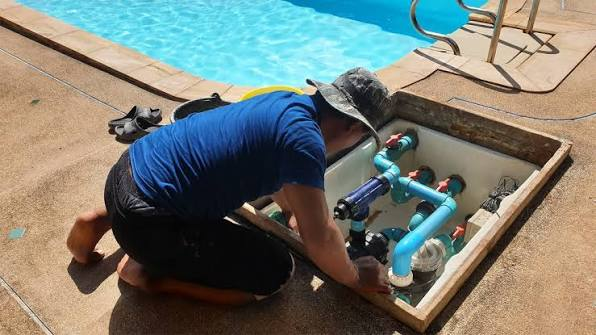
Pool Maintenance Improvement Ideas That Reduce Cleaning Time and Repair Expenses
Maintaining a swimming pool requires regular attention to keep the water clean, equipment working properly, and the overall area safe and attractive. However, traditional pool maintenance methods can become time-consuming and expensive, especially when homeowners deal with frequent cleaning, chemical imbalances, equipment failures, and unexpected repairs. By implementing smart pool maintenance improvement ideas, homeowners can reduce daily maintenance work while protecting their investment.
A well-planned pool maintenance strategy focuses on prevention rather than constant repairs. Upgrading equipment, improving water management systems, and creating efficient cleaning routines can significantly reduce maintenance time and operating expenses. Modern pool improvements are designed to make ownership easier while extending the lifespan of pool surfaces, pumps, filters, and other essential components.
Upgrade to an Energy-Efficient Pool Pump System
The pool pump is one of the most important components of any swimming pool because it circulates water through the filtration system. Older pumps often consume excessive energy and may struggle to maintain proper water circulation.
Replacing an outdated pump with an energy-efficient variable-speed model can improve performance while lowering electricity costs. These pumps automatically adjust their speed based on the pool’s needs, using less energy during normal operation and increasing power when additional filtration is required.
Benefits of upgrading the pool pump include:
- Reduced energy consumption
- Lower monthly operating costs
- Improved water circulation
- Longer equipment lifespan
- Better filtration performance
An efficient pump system also reduces strain on other pool equipment, helping prevent expensive repairs in the future.
Install an Automatic Pool Cleaning System
Manual pool cleaning can require several hours every week, especially for larger pools. Automatic cleaning systems help reduce this workload by removing debris, dirt, and leaves without constant supervision.
Robotic pool cleaners are one of the most effective improvements for reducing cleaning time. These devices operate independently and can clean pool floors, walls, and water lines while improving overall water quality.
Other automatic cleaning options include:
- Pressure-side cleaners
- Suction-side cleaners
- Automatic skimming systems
- Smart robotic cleaners
Although automatic cleaners require an initial investment, they can save significant time and reduce long-term maintenance costs.
Improve Pool Filtration Efficiency
A high-quality filtration system plays a major role in keeping pool water clear and reducing chemical usage. Poor filtration allows dirt, algae, and contaminants to build up, creating additional cleaning requirements.
Upgrading to modern filtration technology can improve water clarity and reduce maintenance frequency. Cartridge filters, sand filters, and advanced filtration systems each provide different benefits depending on pool size and usage.
Regular filter maintenance is also important. Cleaning or replacing filters according to manufacturer recommendations ensures the system works efficiently and prevents unnecessary equipment stress.
Use Smart Pool Monitoring Technology
Smart technology has made pool maintenance easier by allowing homeowners to monitor water conditions remotely. Smart pool monitoring systems can track important factors such as temperature, pH levels, chlorine balance, and water quality.
Instead of manually testing water every few days, homeowners can receive alerts when adjustments are needed. This prevents chemical imbalance problems and reduces the risk of expensive damage caused by poor water conditions.
Smart pool systems can also control:
- Pool pumps
- Lighting systems
- Heating equipment
- Cleaning schedules
- Water features
These improvements provide better control while reducing daily maintenance effort.
Improve Pool Water Circulation
Proper water circulation is essential for preventing algae growth, uneven chemical distribution, and dirty areas inside the pool. Poor circulation often causes maintenance problems and increases chemical expenses.
Improving circulation may involve adjusting return jets, upgrading pumps, or adding additional circulation features. Better water movement ensures that cleaning chemicals are distributed evenly and filtration systems remove contaminants more effectively.
A properly circulated pool requires less manual cleaning and maintains better water quality throughout the year.
Install a Pool Cover System
A pool cover is one of the simplest improvements that can reduce maintenance requirements. Covers prevent leaves, dirt, insects, and other debris from entering the water when the pool is not being used.
Automatic pool covers provide additional convenience because they can be opened and closed quickly without manual effort. They also help reduce water evaporation, which lowers water replacement costs.
Pool covers provide several advantages:
- Less debris accumulation
- Reduced cleaning frequency
- Lower chemical usage
- Improved safety
- Reduced water evaporation
Using a cover regularly can significantly decrease maintenance time.
Upgrade Pool Lighting for Better Efficiency
Traditional pool lighting systems may consume more electricity and require frequent replacements. Switching to modern LED pool lighting can improve energy efficiency and reduce maintenance expenses.
LED lights last longer than conventional bulbs and use significantly less power. They are available in various designs and colors, allowing homeowners to improve pool appearance while reducing operating costs.
Energy-efficient lighting also enhances safety by improving visibility around the pool area during nighttime use.
Maintain Proper Chemical Balance
Chemical management is one of the most important parts of pool maintenance. Incorrect chemical levels can cause cloudy water, algae growth, surface damage, and equipment corrosion.
Creating a consistent water testing schedule helps maintain proper balance and prevents larger problems. Many homeowners spend more money on chemicals because they react to problems instead of maintaining regular water conditions.
Important water factors include:
- pH balance
- Chlorine levels
- Alkalinity
- Calcium hardness
- Sanitizer levels
Maintaining balanced water reduces cleaning requirements and protects pool components from damage.
Improve Pool Landscaping and Surrounding Areas
The area surrounding a pool directly affects maintenance requirements. Poor landscaping choices can increase debris, dirt, and organic material entering the water.
Choosing low-maintenance landscaping options can reduce cleaning time. Strategic placement of plants, proper drainage, and suitable outdoor materials help create a cleaner pool environment.
Useful improvements include:
- Installing proper drainage systems
- Using fewer debris-producing plants
- Creating hardscape areas around the pool
- Adding wind barriers where needed
A well-designed pool environment reduces the amount of external maintenance required.
Schedule Preventive Pool Equipment Maintenance
Preventive maintenance is one of the best ways to avoid expensive pool repairs. Waiting until equipment fails often leads to higher replacement costs and longer downtime.
Regular inspections help identify small issues before they become major problems. Checking pumps, filters, heaters, pipes, and electrical components ensures everything operates efficiently.
Preventive maintenance tasks may include:
- Inspecting pump performance
- Cleaning filters regularly
- Checking for leaks
- Testing equipment connections
- Monitoring water quality
Consistent maintenance protects the pool investment and extends equipment life.
Choose Durable Pool Materials and Finishes
The materials used in pool construction affect long-term maintenance requirements. Low-quality surfaces may require frequent repairs due to cracks, stains, or chemical damage.
During pool renovation projects, selecting durable materials such as high-quality tiles, modern finishes, and resistant surfaces can reduce future repair expenses.
A strong pool surface improves appearance while protecting against wear caused by weather, chemicals, and regular use.
Reduce Maintenance Costs Through Seasonal Planning
Different seasons create different pool maintenance challenges. Preparing the pool according to weather conditions helps reduce unnecessary cleaning and repair expenses.
During warmer months, homeowners should focus on water balance, filtration, and algae prevention. During colder periods, proper winter preparation protects equipment and prevents damage.
Seasonal maintenance planning helps homeowners avoid emergency repairs and keeps the pool ready for use.
Final Thoughts
Pool maintenance improvements can make swimming pool ownership easier, more affordable, and less time-consuming. By upgrading equipment, using smart technology, improving filtration, and focusing on preventive care, homeowners can reduce cleaning responsibilities while extending the life of their pool systems.
A properly maintained pool provides better enjoyment, improves property appeal, and protects one of the home’s most valuable outdoor features. Investing in efficient maintenance solutions today can prevent expensive repairs and create a cleaner, healthier swimming environment for years to come.
Frequently Asked Questions (FAQs)
1. How can I reduce the time required for pool cleaning?
Installing automatic cleaners, improving filtration systems, using pool covers, and maintaining proper water balance can significantly reduce the amount of time required for regular pool cleaning.
2. Are robotic pool cleaners worth the investment?
Yes, robotic pool cleaners can be a valuable investment because they reduce manual cleaning work, improve water quality, and help maintain a cleaner pool with less effort.
3. How often should pool equipment be maintained?
Pool equipment should be inspected regularly, with filters, pumps, and other components checked according to manufacturer recommendations. Preventive maintenance helps avoid costly repairs.
4. What pool upgrades help reduce energy costs?
Energy-efficient pumps, LED lighting, smart monitoring systems, and modern heating solutions can reduce electricity consumption and lower long-term operating expenses.
5. How can I prevent expensive pool repairs?
Regular inspections, proper chemical balance, timely equipment maintenance, and using durable pool materials can help prevent major repair issues and extend the life of your swimming pool.