What Professional Contractors Notice First When They Walk Into an Older House
When a professional contractor enters an older house for the first time, they usually do not look at the same things a homeowner notices. A homeowner may focus on outdated paint, old cabinets, worn flooring, or the overall appearance of the space. Contractors, however, look deeper. They are trained to identify signs that reveal how the house was built, how well it has aged, and what problems may exist behind walls, floors, and ceilings.
Before suggesting renovations or giving an estimate, experienced contractors often perform a quick mental inspection. They look for structural concerns, moisture issues, outdated systems, safety risks, and areas where small problems could become expensive repairs later.
Understanding what professionals notice first can help homeowners prepare better, avoid unexpected costs, and make smarter improvement decisions.
The Overall Condition of the Structure
The first thing many contractors evaluate is the general condition of the house structure. They are not only looking at whether a home looks attractive but whether the foundation, framing, and major components appear stable.
Signs such as uneven floors, large wall cracks, doors that do not close properly, or gaps around windows can indicate movement or settling issues. Older homes naturally experience some changes over time, but certain warning signs may suggest deeper structural concerns.
Contractors pay attention to:
- Sloping floors
- Cracks near doors and windows
- Uneven ceilings
- Sagging areas
- Separation between walls and trim
These observations help them understand whether a project will involve simple improvements or require more extensive repairs.
Signs of Water Damage and Moisture Problems
Moisture is one of the biggest concerns professionals search for in older properties. Water damage can remain hidden for years and create problems such as mold growth, damaged materials, and weakened structures.
A contractor entering an older home may immediately check areas where moisture commonly appears:
- Basements
- Bathrooms
- Kitchens
- Around windows
- Roof-related areas
- Under sinks
They look for stains on ceilings, peeling paint, musty smells, warped wood, and soft spots in walls or floors.
Many expensive home repairs begin with a small moisture issue that was ignored. Identifying these problems early can prevent major damage during a renovation.
The Age and Condition of Electrical Systems
Older houses often have electrical systems that were designed for a different time. Decades ago, homes did not require power for dozens of modern devices, smart appliances, entertainment systems, and home offices.
Contractors usually check the electrical setup before recommending upgrades. They may look at:
- The electrical panel
- Available circuits
- Outlet placement
- Wiring condition
- Safety features
Outdated electrical systems can create limitations during remodeling. For example, adding a modern kitchen with high-powered appliances may require electrical upgrades before installation.
A professional contractor understands that beautiful improvements are not useful if the home’s basic systems cannot support them safely.
The Quality of Previous Repairs
Many older houses have gone through multiple owners, and each owner may have completed repairs differently. Contractors often notice signs of previous work immediately.
They look for questions like:
- Were repairs completed professionally?
- Were temporary fixes used instead of permanent solutions?
- Do different improvements match properly?
- Are there signs of poor installation?
Examples include uneven flooring repairs, incorrect plumbing connections, poor drywall finishing, or mismatched materials.
Previous renovation quality can strongly influence the cost and difficulty of future projects.
The Layout and Function of the Home
Contractors do not only think about construction. They also consider how the home functions.
An older house may have a layout that worked decades ago but feels inconvenient today. Narrow hallways, small kitchens, limited storage, and closed-off rooms are common examples.
A contractor may immediately think about:
- Improving traffic flow
- Removing unnecessary barriers
- Creating better storage solutions
- Increasing natural light
- Making spaces more practical
Good contractors do not simply replace old materials. They help homeowners understand how improvements can make the entire home work better.
Ventilation and Indoor Air Quality
Older homes often have different ventilation systems compared to modern construction. Some were built with less focus on indoor air quality, insulation standards, and energy efficiency.
Professionals may notice:
- Poor airflow between rooms
- Condensation problems
- Excess humidity
- Old ventilation systems
- Signs of poor insulation
These issues affect comfort, energy bills, and the long-term condition of the house.
A renovation project is often an opportunity to improve not just appearance but also the home’s overall living environment.
The Condition of Windows and Doors
Windows and doors reveal a lot about an older home’s efficiency and maintenance needs.
Contractors check whether they:
- Open and close properly
- Allow drafts
- Show moisture damage
- Have outdated frames
- Provide proper insulation
Old windows may increase heating and cooling costs because they allow unwanted air movement. In some cases, repairing existing windows may be enough, while other situations require replacement.
Professionals consider performance, maintenance, and cost before recommending a solution.
The Roof and Exterior Protection
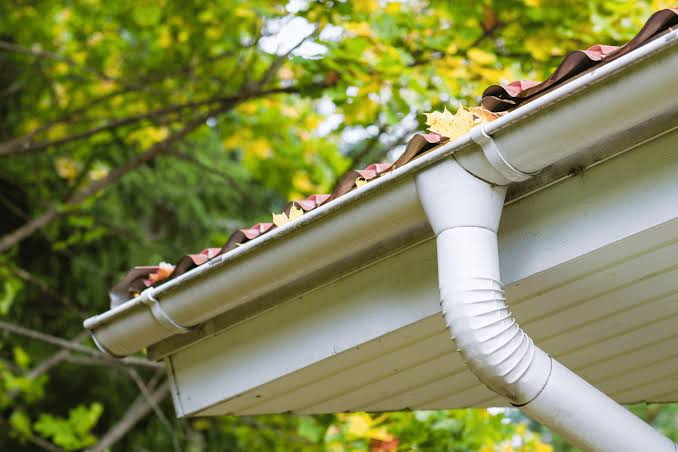
The outside of a home often tells contractors what is happening inside. They examine the roof, siding, drainage systems, and exterior materials because these protect the entire property.
Important areas include:
- Roof condition
- Gutters
- Drainage direction
- Exterior cracks
- Paint and siding condition
A house with poor exterior protection may experience repeated interior problems. For example, damaged gutters can contribute to foundation moisture issues.
The Importance of a Professional First Impression
The first visit to an older house allows contractors to build a complete picture before starting work. Their observations help create realistic budgets, identify risks, and recommend improvements that provide long-term value.
Homeowners can benefit from thinking like a contractor. Instead of focusing only on visible changes, they should consider the hidden systems that make a home safe, comfortable, and durable.
A successful renovation is not only about making an older house look new. It is about understanding what the property needs, solving existing problems, and creating improvements that continue to perform for years.
Final Thoughts
Professional contractors notice details that most homeowners overlook. From structural signs and moisture problems to electrical systems and previous repairs, their experience allows them to identify potential challenges before they become expensive surprises.
Before beginning any major home improvement project, taking time to evaluate these areas can lead to better decisions, more accurate planning, and a renovation that improves both the beauty and functionality of an older home.