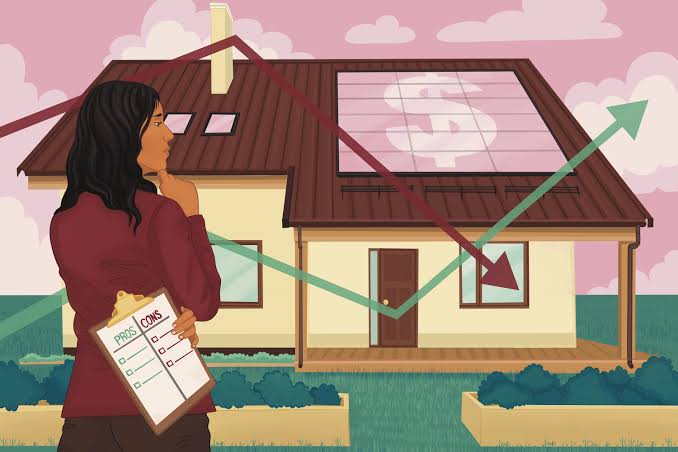
Whole-House Energy Monitoring Systems Explained: Are They Worth Installing Before Your Next Renovation?
Energy costs have become a major concern for homeowners, especially as modern homes depend on more electrical devices, smart appliances, heating and cooling systems, and entertainment technology. Many people try to reduce electricity bills by replacing old appliances or turning off unused devices, but these methods often provide only limited results because homeowners do not always know where their energy is actually being used.
This is where whole-house energy monitoring systems come into play. These systems provide detailed information about electricity consumption throughout a property, helping homeowners understand usage patterns, identify waste, and make smarter decisions about upgrades.
For anyone planning a home renovation, installing an energy monitoring system before construction work begins can provide valuable insights. It can help determine where improvements are needed, whether electrical upgrades are necessary, and which changes may provide the best long-term savings.
What Is a Whole-House Energy Monitoring System?
A whole-house energy monitoring system is a technology that tracks electricity usage across an entire property. Unlike basic smart plugs that measure individual devices, these systems monitor the complete electrical network of a home.
Most systems connect directly to the electrical panel and use sensors to measure energy flow. The collected data is then displayed through a mobile app, web dashboard, or smart home platform.
A typical energy monitoring system can show:
- Total electricity consumption
- Energy usage by different circuits
- Peak usage periods
- Appliance performance patterns
- Historical energy trends
- Estimated electricity costs
- Unusual consumption changes
Instead of receiving a monthly electricity bill without detailed information, homeowners gain a clearer understanding of how their home uses energy every day.
Why Install an Energy Monitor Before Renovation?
Renovation projects are usually focused on improving appearance, comfort, or functionality. However, they also create an opportunity to improve energy efficiency. Installing an energy monitoring system before renovation allows homeowners to collect real data before making decisions.
For example, a homeowner may assume that an old refrigerator is responsible for high electricity costs, but monitoring data may reveal that the heating system, water heater, or poorly insulated rooms are consuming much more energy.
Having accurate information before renovation helps avoid spending money on upgrades that provide little benefit.
Identifying Energy Waste in Your Home
One of the biggest advantages of whole-house monitoring is finding hidden energy waste.
Many electrical problems are not obvious. A device may appear normal while consuming excessive power due to age, poor efficiency, or incorrect settings.
Energy monitoring can help identify:
Older Appliances With High Consumption
Older refrigerators, HVAC systems, water heaters, and appliances may use significantly more electricity compared to modern efficient models.
A monitoring system can reveal whether replacing an appliance would actually create meaningful savings.
Standby Energy Usage
Many electronic devices continue using electricity even when they are turned off. This includes:
- Gaming consoles
- Televisions
- Chargers
- Smart devices
- Office equipment
Although each device may consume a small amount, combined standby usage can become noticeable over time.
Heating and Cooling Problems
Heating and cooling systems often represent a large portion of household energy consumption. Unexpected increases in usage may indicate:
- Poor insulation
- Dirty filters
- Aging equipment
- Incorrect thermostat settings
- Air leakage problems
Early detection allows homeowners to address these issues before they become expensive.
Benefits of Installing a Whole-House Energy Monitor
Better Renovation Planning
Energy data can influence renovation decisions. Instead of choosing upgrades based only on appearance, homeowners can focus on improvements that increase comfort and efficiency.
For example, monitoring results may support decisions about:
- Adding insulation
- Upgrading windows
- Replacing HVAC systems
- Installing solar panels
- Improving electrical capacity
This makes renovation planning more practical and data-driven.
Lower Electricity Bills
The main purpose of energy monitoring is not simply to collect information. The goal is to use that information to reduce unnecessary consumption.
When homeowners understand their energy habits, they can make targeted changes rather than relying on general advice.
Simple adjustments, such as changing appliance schedules or improving temperature settings, can create noticeable savings.
Improved Solar and Battery Planning
Many homeowners are interested in solar energy and backup battery systems. However, selecting the right system size requires accurate energy information.
A monitoring system helps determine:
- Daily electricity requirements
- Highest consumption periods
- Future energy needs
- Battery storage requirements
This prevents homeowners from purchasing systems that are too small or unnecessarily expensive.
Are Whole-House Energy Monitoring Systems Accurate?
Modern energy monitoring systems are generally reliable, but accuracy depends on the quality of the equipment and installation.
Professional-grade systems installed at the electrical panel usually provide more detailed information than basic consumer devices.
However, homeowners should understand that energy monitors are tools for decision-making, not replacements for professional electrical inspections.
Factors such as wiring conditions, sensor placement, and system compatibility can affect performance.
Installation Considerations During Renovation
A renovation project is often the best time to install an energy monitoring system because electrical work may already be taking place.
Important considerations include:
Electrical Panel Access
Most whole-house monitors require installation near the main electrical panel. The panel should have enough space and meet local safety requirements.
Compatibility With Existing Systems
Before purchasing a system, homeowners should check whether it works with their electrical setup and smart home devices.
Professional Installation
Although some monitoring products are designed for homeowners, electrical panel work involves safety risks. Many installations should be completed by a qualified electrician.
Potential Limitations to Consider
While energy monitoring systems offer many benefits, they are not perfect for every homeowner.
The initial cost can be a concern, especially for people with limited renovation budgets. Some homeowners may also find detailed energy data overwhelming if they are not interested in tracking consumption regularly.
Additionally, a monitoring system alone does not reduce energy usage. It provides information, but homeowners still need to take action based on the findings.
Are They Worth Installing Before Your Next Renovation?
For many homeowners, the answer is yes, especially if the renovation includes electrical upgrades, energy improvements, smart home features, or major appliance replacements.
A whole-house energy monitoring system can help turn renovation decisions from guesses into informed choices. Instead of simply improving how a home looks, homeowners can create a property that performs better, costs less to operate, and provides greater comfort.
The value becomes even stronger for people planning long-term upgrades such as solar panels, electric vehicles, heat pumps, or advanced automation systems.
Final Thoughts
Whole-house energy monitoring systems represent a shift toward smarter and more efficient property management. As homes become increasingly connected, understanding energy usage will become an important part of responsible ownership.
Installing an energy monitor before renovation gives homeowners valuable insight into their property’s performance and helps prioritize improvements that offer real benefits.
While the technology is not a magic solution for lowering electricity bills, it provides the information needed to make better decisions. For homeowners planning a renovation, this small addition could become one of the most useful tools for creating a more efficient, comfortable, and future-ready home.