Underground Dance Music Labels: The Hidden Engines of Electronic Culture
Underground dance music has always lived outside the mainstream. It is raw, independent, and free from commercial pressure. The heartbeat of this culture is found in its labels. These labels are small, passionate, and often run by artists themselves. They are the ones who keep the scene alive, helping new sounds grow while preserving authenticity.
The Role of Underground Labels
Mainstream record companies focus on trends and profits. Underground dance music labels work differently. They care more about creativity and freedom. Many of these labels were born out of clubs, warehouses, and local communities. They give space to artists who want to experiment without following commercial rules.
Their main role is to release tracks that represent their culture. They also act as curators, filtering the best underground sounds and pushing them to the world. Fans trust the labels to introduce them to new artists and fresh beats. Over time, labels become more than just music companies. They become communities that bring DJs, producers, and listeners together.
Independent Spirit
Underground labels often run on tight budgets. They may press only a small batch of vinyl or release digital tracks without big marketing campaigns. Yet, this independence is their strength. They can take risks that bigger companies avoid.
Many of these labels are founded by DJs who want to promote their own style. Others start with small groups of friends sharing a passion for deep house, techno, or minimal beats. Because of this, the sound feels personal. It reflects the founder’s vision rather than a market demand.
The independent spirit also creates trust. Listeners know that every release comes from passion, not just money. That trust builds loyal audiences who follow the label’s journey.
Evolution Through Technology
The rise of digital platforms has changed how underground labels work. In the past, vinyl was the main format. Pressing records was expensive, and distribution was limited. Today, with platforms like Bandcamp, SoundCloud, and Beatport, independent labels can reach global audiences instantly.
This shift has made it easier for small labels to survive. They can release tracks without huge costs. They can connect directly with fans. Many labels even skip traditional distributors, selling directly online.
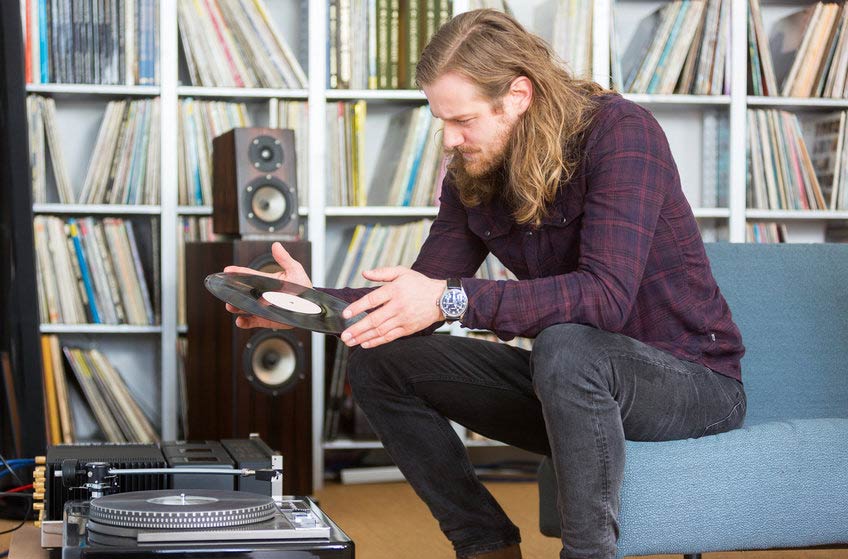
Technology also helps artists. Producers can record and master tracks from home, then share them worldwide. Labels act as a bridge, giving these tracks a platform and identity. Despite the changes, the underground culture still values physical releases. Vinyl remains popular in many circles. Collectors and DJs love the tangible feel of records, and underground dance music labels continue pressing them in limited editions.
Communities and Culture
Underground dance music labels are not just about business. They are about culture. Each label builds its own identity. This identity is shaped by artwork, sound, and even the events they organize. Some labels host parties, festivals, or live streams. These events create spaces where fans and artists meet in person.
The labels also nurture new talent. Many successful DJs and producers first released music on small underground labels. These labels take chances on unknown names. They provide the first step in an artist’s career. Without them, many talents would never be heard.
Community is central to underground culture. Fans feel connected to a label like they do to a local club. It becomes part of their lifestyle, shaping how they experience music and nightlife.
The Future of Underground Dance Labels
The underground will always exist as long as there is music that challenges the mainstream. Underground dance music labels will continue to play a vital role in that. Even with financial struggles, they adapt and survive.
The future seems to blend tradition with innovation. Vinyl will stay as a cultural symbol, while digital platforms will expand reach. Independent labels will keep using social media and streaming to spread their sound. At the same time, they will protect the intimate vibe that defines underground music.
New genres will continue to rise. Underground labels are often the first to push fresh sounds before they hit bigger markets. This gives them power as tastemakers. They decide what becomes the next trend in dance music.
Conclusion
Underground dance music labels are the backbone of the scene. They provide freedom, creativity, and authenticity. They help new artists shine and keep communities alive. Their independence allows them to take risks and stay true to their vision.
As technology changes, these labels adapt while holding on to tradition. They are not just record companies. They are movements, cultures, and families of sound. For anyone who loves music that is raw and real, underground labels are where the true heartbeat of dance music will always be found.
Keep an eye for more latest news & updates on Imagefap!