PEX vs Copper Plumbing: Which Is Better for Home Renovations?
If you’re planning a home renovation, replacing old plumbing pipes may be one of the smartest upgrades you can make. Whether you’re remodeling a bathroom, updating a kitchen, or repiping an older home, you’ll likely need to choose between two of the most common plumbing materials: PEX and copper.
For decades, copper was considered the standard for residential water supply lines. Today, PEX (cross-linked polyethylene) has become an increasingly popular alternative thanks to its flexibility, lower installation costs, and resistance to corrosion.
Both materials have proven themselves in homes around the world, but they aren’t identical. Each has its own strengths, weaknesses, and ideal applications. The best choice depends on your home’s plumbing needs, your budget, local building codes, and your long-term plans.
In this guide, we’ll compare PEX and copper plumbing in terms of durability, cost, installation, maintenance, lifespan, and overall value for home renovations.
What Is PEX Plumbing?
PEX stands for cross-linked polyethylene, a flexible plastic tubing designed for hot and cold water supply systems.
Unlike rigid metal pipes, PEX bends around corners, reducing the number of fittings required during installation.
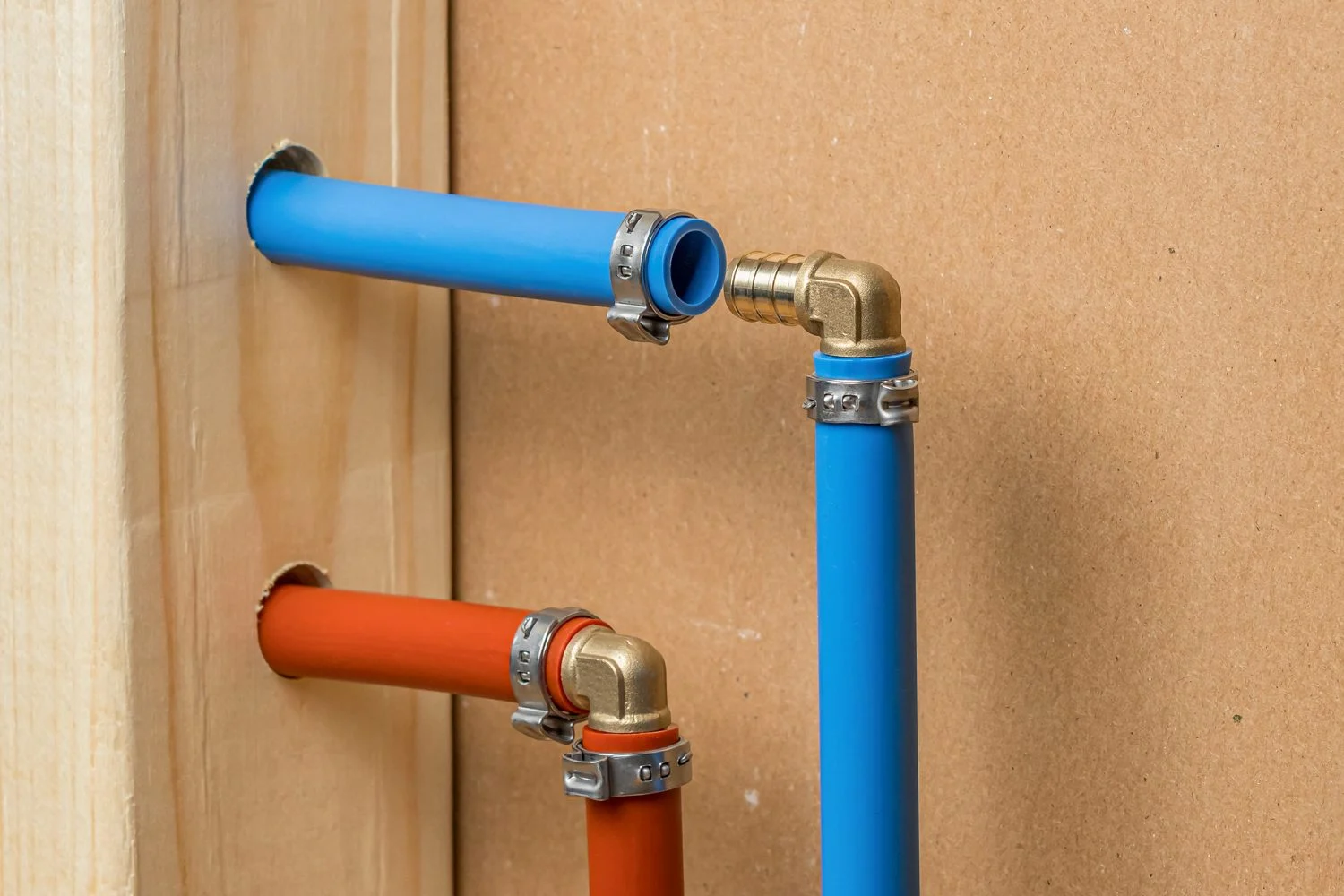
It’s commonly available in different colors to help identify water lines:
- Red for hot water
- Blue for cold water
- White or gray for either line
PEX is widely used in new homes, remodeling projects, and plumbing repairs.
What Is Copper Plumbing?
Copper plumbing uses rigid copper pipes joined together with fittings.
For many years, copper has been the preferred material for residential water supply systems because of its durability and long history of reliable performance.
Copper piping is commonly found in:
- Older homes
- Custom-built homes
- Commercial buildings
- Long-term residential plumbing systems
Even today, many homeowners continue to choose copper for major plumbing projects.
PEX vs Copper: Quick Comparison
| Feature | PEX | Copper |
|---|---|---|
| Material | Flexible plastic | Metal |
| Installation | Easy | More complex |
| Cost | Lower | Higher |
| Corrosion Resistance | Excellent | Good |
| Flexibility | Excellent | Limited |
| Lifespan | Long | Very Long |
| Freeze Resistance | Better | Less forgiving |
| UV Resistance | Poor | Excellent |
Both materials perform well when properly installed, but their differences can significantly affect renovation costs and long-term performance.
Installation
Installation is often one of the biggest differences between the two materials.
PEX Installation
PEX tubing is lightweight and flexible.
This allows installers to:
- Bend pipes around corners
- Use fewer fittings
- Complete installations more quickly
- Simplify plumbing layouts
Its flexibility also makes it easier to work in tight spaces during remodeling projects.
Copper Installation
Copper requires:
- Cutting
- Measuring
- Fittings
- Precise connections
Because it’s rigid, additional fittings are often needed whenever the plumbing changes direction.
Installation generally takes more time and may require specialized tools and greater experience.
Cost Comparison
Budget plays an important role in most home renovations.
PEX
PEX is generally the more affordable option.
Savings often come from:
- Lower material costs
- Faster installation
- Reduced labor
- Fewer fittings
For whole-home repiping, these savings can be significant.
Copper
Copper typically costs more due to:
- Higher material prices
- Longer installation time
- More labor-intensive work
Price fluctuations in the copper market can also affect overall project costs.
Durability
Both materials are designed to provide many years of reliable service.
PEX
PEX resists:
- Scale buildup
- Corrosion
- Mineral deposits
Its flexibility also allows it to tolerate some expansion if water freezes inside the pipe, reducing the likelihood of bursting.
Copper
Copper is extremely durable and has been used successfully in residential plumbing for decades.
However, certain water conditions can contribute to corrosion or pinhole leaks over time.
Corrosion Resistance
PEX
Because it’s plastic, PEX doesn’t rust or corrode.
It’s generally unaffected by minerals commonly found in household water.
Copper
Copper resists corrosion well in many environments, but highly acidic or aggressive water can gradually damage the pipe over time.
Water quality plays an important role in copper’s long-term performance.
Freeze Resistance
Homes in colder climates should consider freeze protection.
PEX
PEX can expand slightly if water freezes inside the pipe.
Although freezing should always be avoided, this flexibility may reduce the risk of the pipe splitting.
Copper
Copper is rigid and less forgiving.
Frozen water can create enough pressure to crack or burst the pipe if temperatures become severe.
Proper insulation is important regardless of the material used.
Water Flow
Both PEX and copper provide reliable water delivery.
However, PEX’s flexibility often allows installers to use fewer fittings.
Fewer connections may help maintain smoother water flow throughout the plumbing system.
Copper also provides excellent water flow when properly installed.
Noise
Some homeowners notice differences in plumbing noise.
PEX
PEX tends to absorb vibration better because of its flexible construction.
Water movement is often quieter.
Copper
Rigid copper pipes may transmit more sound through walls, particularly if they’re not securely supported.
Heat Resistance
Both materials are suitable for hot water systems.
Copper naturally handles high temperatures very well.
PEX is also designed for residential hot water use but should always be installed according to the manufacturer’s temperature and pressure ratings.
UV Resistance
This is one area where copper has a clear advantage.
PEX
PEX should not be exposed to prolonged direct sunlight.
Extended UV exposure can weaken the material over time.
It’s intended for indoor use or protected locations.
Copper
Copper is unaffected by sunlight and performs well in exposed areas where permitted.
Lifespan
Both materials can provide decades of service when installed correctly.
PEX
Modern PEX plumbing systems are designed for long-term residential use.
Proper installation and normal operating conditions contribute significantly to their lifespan.
Copper
Copper has a long history of durability, with many systems lasting for several decades before replacement becomes necessary.
Actual longevity depends on factors such as water quality, installation practices, and maintenance.
Maintenance
Neither material requires extensive maintenance.
However, regular inspections for leaks, damaged fittings, or signs of wear are always recommended.
Promptly addressing small plumbing issues can help prevent larger repairs later.
Best Uses for PEX
PEX is often an excellent choice for:
- Whole-home repiping
- Bathroom renovations
- Kitchen remodeling
- Basement finishing
- New residential construction
- DIY-friendly plumbing projects (where local codes allow)
Its flexibility makes it especially useful when working inside existing walls.
Best Uses for Copper
Copper is commonly chosen for:
- Long-term residential plumbing
- Exposed plumbing installations
- Areas with prolonged sunlight exposure
- Homes matching existing copper systems
- Projects where local preferences or building requirements favor metal piping
Pros of PEX Plumbing
- Lower installation cost
- Flexible tubing
- Corrosion resistant
- Quiet operation
- Better freeze tolerance
- Faster installation
- Fewer fittings required
Cons of PEX Plumbing
- Not suitable for prolonged UV exposure
- Can be damaged by sharp objects during installation
- Some local plumbing codes may have restrictions
- Should be protected from direct sunlight before installation
Pros of Copper Plumbing
- Proven long-term performance
- Excellent heat resistance
- UV resistant
- Strong and durable
- Recyclable material
- Widely accepted by building codes
Cons of Copper Plumbing
- Higher material cost
- More expensive installation
- Rigid construction requires more fittings
- Can be affected by certain water conditions
- Less forgiving if pipes freeze
Which Plumbing Material Is Better for Home Renovations?
Choose PEX if you:
- Want to reduce renovation costs.
- Need flexible piping for remodeling.
- Are repiping an older home.
- Want quicker installation.
- Need easier routing through walls and ceilings.
Choose Copper if you:
- Prefer traditional metal plumbing.
- Need pipes in areas exposed to sunlight.
- Are matching an existing copper plumbing system.
- Value a material with a long track record in residential construction.
In many modern renovations, PEX has become the preferred option because it combines affordability, flexibility, and reliable performance. However, copper remains an excellent choice in situations where its unique advantages are beneficial.
Frequently Asked Questions
Is PEX better than copper for home renovations?
It depends on your priorities. PEX is generally easier and less expensive to install, making it a popular choice for remodeling projects. Copper, on the other hand, offers a long history of durability and performs well in areas where UV exposure is a concern.
Does PEX last as long as copper?
Both materials are designed to provide many years of reliable service when properly installed. Their actual lifespan depends on factors such as water quality, installation methods, environmental conditions, and regular maintenance.
Can PEX pipes freeze without bursting?
PEX is more flexible than copper and can expand if water freezes inside the pipe, reducing the likelihood of bursting. However, freezing should still be prevented whenever possible through proper insulation and winterization.
Is copper plumbing still a good choice?
Yes. Copper remains a durable and widely used plumbing material. Many homeowners choose it for its strength, heat resistance, and proven long-term performance.
Which plumbing material is more affordable?
PEX is generally the more budget-friendly option because both the material and installation costs are usually lower than those of copper plumbing.
Final Thoughts
Both PEX and copper are reliable plumbing materials that can serve your home well for many years. If you’re looking for a cost-effective, flexible, and easy-to-install solution, PEX is an excellent choice for most modern home renovations. Its resistance to corrosion, quieter operation, and simplified installation make it especially appealing for remodeling projects.
If your priorities include traditional metal piping, superior UV resistance, or matching an existing copper plumbing system, copper remains a strong and dependable option. While it typically comes with a higher upfront cost, its proven durability has made it a trusted choice in residential plumbing for generations.
Before making a final decision, consider your renovation budget, your home’s plumbing layout, local building codes, and the specific needs of your project. Choosing the right material now can help ensure a reliable plumbing system that supports your home for years to come.