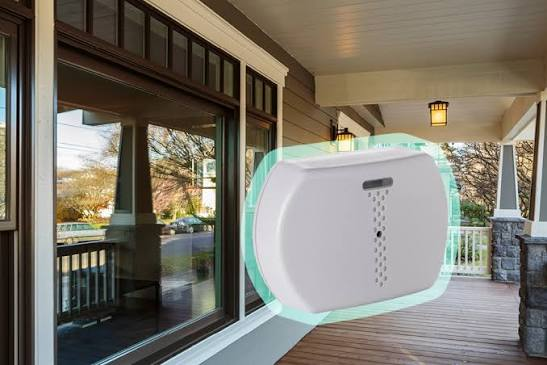
Glass Break Sensors for Improved Window Security and Theft Prevention
Windows are one of the most vulnerable entry points in any property. While strong locks, security doors, and surveillance cameras help protect homes, criminals often target windows because they can provide quick and quiet access. Glass break sensors offer an additional layer of protection by detecting the unique sound and vibration patterns created when glass is damaged or shattered.
Modern glass break sensors are designed to improve window security by identifying potential break-in attempts before an intruder gains access to the building. When connected with a security system, these sensors can trigger alarms, send smartphone notifications, and alert homeowners or monitoring services about suspicious activity.
As residential security technology continues to advance, glass break sensors have become an important component of smart home protection systems. They provide an effective solution for homeowners who want to secure vulnerable windows while maintaining a comfortable and aesthetically pleasing living environment.
Glass Break Sensors and Their Role in Home Security
Glass break sensors are security devices designed to detect the sound or physical impact associated with breaking glass. Unlike traditional motion sensors that detect movement after someone enters a room, glass break sensors can identify a security threat at the point of attempted entry.
These sensors are commonly installed near:
- Large windows
- Sliding glass doors
- Patio doors
- Display windows
- Ground-floor rooms
The main purpose of a glass break sensor is to provide early warning. If a window is broken, the system can immediately notify occupants before an intruder has enough time to enter the property.
How Glass Break Sensors Detect Window Damage
Glass break sensors work by analyzing specific characteristics of breaking glass. Different types of glass produce unique sound frequencies and vibration patterns when damaged.
Modern sensors typically use one of two detection methods: acoustic sound detection or vibration detection.
Acoustic glass break sensors use built-in microphones to recognize the sound frequency produced when glass breaks. They are programmed to distinguish between actual glass breaking and everyday household noises.
Vibration-based sensors detect physical impact directly on the window surface. When the glass experiences unusual force or movement, the sensor sends an alert to the security system.
Advanced models may combine both technologies to improve accuracy and reduce false alarms.
Why Glass Break Sensors Are Important for Window Security
Many homeowners focus on securing doors but overlook windows. However, windows can represent a significant security weakness, especially in areas that are hidden from public view.
Glass break sensors improve security by creating an additional detection layer. They do not replace locks or security cameras but work alongside them to create a more complete protection system.
For example, a burglar may avoid opening a locked window by attempting to break the glass. In this situation, a glass break sensor can detect the damage immediately and activate the security response.
Types of Glass Break Sensors Available Today
Different properties require different security approaches, which is why glass break sensors are available in several forms.
Acoustic Glass Break Sensors
Acoustic sensors are among the most common types used in residential security systems. They are usually mounted on walls or ceilings near windows.
These sensors listen for the sound pattern of breaking glass and activate when the detected sound matches programmed criteria.
They are suitable for rooms with:
- Multiple windows
- Large glass areas
- Sliding doors
- Open floor plans
Their ability to cover several nearby windows makes them convenient for larger spaces.
Shock or Vibration Glass Break Sensors
Shock sensors are attached directly to the glass surface or window frame. They detect physical vibrations caused by impact.
These sensors are useful when:
- A specific window requires extra protection
- The glass area is isolated
- Direct contact monitoring is preferred
Because they respond to physical impact, proper installation is important for accurate performance.
Wireless Glass Break Sensors
Wireless glass break sensors are increasingly popular in modern homes because they are easier to install compared with wired systems.
They communicate with a security hub through wireless signals and can often be added to existing smart security setups.
Wireless models are particularly useful for:
- Renovated homes
- Rental properties
- Smart home security upgrades
Benefits of Installing Glass Break Sensors
Glass break sensors provide several advantages for homeowners looking to strengthen their security systems.
Early Detection Before Unauthorized Entry
One of the biggest benefits of glass break sensors is early warning. They can detect a break-in attempt before an intruder fully enters the property.
This gives homeowners more time to respond, contact security services, or activate other security measures.
Better Protection for Vulnerable Areas
Some areas of a home are naturally more exposed, such as large windows, basement windows, and glass doors.
Installing glass break sensors in these locations helps strengthen weak points that traditional alarms may not cover effectively.
Integration With Smart Security Systems
Modern glass break sensors can connect with smart home security platforms. This allows them to work together with other devices such as cameras, alarms, and mobile applications.
For example, when a sensor detects broken glass, the system can:
- Activate an alarm
- Send a smartphone alert
- Start security camera recording
- Turn on outdoor lighting
This creates a more responsive security environment.
Peace of Mind for Homeowners
Security is not only about preventing theft but also about creating confidence and comfort. Knowing that vulnerable windows are monitored can provide homeowners with greater peace of mind.
This is especially valuable for:
- Families
- People who travel frequently
- Properties located in high-traffic areas
- Homes with large glass installations
Glass Break Sensors Compared With Other Security Devices
Glass break sensors are most effective when combined with other security solutions. Each device serves a different purpose.
| Security Device | Main Function |
| Glass Break Sensor | Detects broken glass attempts |
| Motion Sensor | Detects movement inside a property |
| Security Camera | Records and monitors activity |
| Door Sensor | Detects unauthorized door opening |
| Alarm System | Provides warning response |
A complete security system usually combines multiple technologies rather than relying on a single device.
Important Factors When Choosing Glass Break Sensors
Selecting the right glass break sensor requires consideration of the property layout, window type, and security needs.
Sensor Detection Range
Different sensors have different coverage areas. Large rooms with multiple windows may require sensors with wider detection capability.
The sensor should be positioned where it can clearly detect the sound or vibration from protected glass surfaces.
Window Type and Glass Thickness
Not all glass produces the same breaking pattern. Factors such as glass thickness, window design, and installation method can affect sensor performance.
Before installation, consider:
- Single-pane glass
- Double-pane glass
- Tempered glass
- Laminated glass
Some advanced sensors are designed to recognize different glass types.
Wired vs Wireless Installation
Wired sensors are often used in professionally installed security systems because they provide reliable communication.
Wireless sensors offer easier installation and are ideal for homeowners upgrading existing security systems.
The choice depends on the building structure, budget, and personal preference.
Compatibility With Existing Security Systems
Before purchasing a glass break sensor, check whether it is compatible with your current alarm system or smart home platform.
Compatibility ensures smooth communication between different security devices.
Common Mistakes When Installing Glass Break Sensors
Proper placement and configuration are essential for reliable performance.
Installing Sensors Too Far From Windows
A sensor placed too far away may not accurately detect breaking glass sounds or vibrations.
Correct positioning improves sensitivity and reduces missed alerts.
Placing Sensors Near Excessive Noise Sources
Loud speakers, televisions, or high-noise appliances can sometimes affect acoustic sensors.
Installing sensors away from constant background noise helps improve accuracy.
Ignoring Regular Testing
Like other security devices, glass break sensors should be tested periodically.
Regular checks help ensure:
- Batteries are working
- Connections are stable
- Detection performance remains reliable
Future of Glass Break Detection Technology
Security technology is becoming more intelligent, and glass break sensors are evolving with advanced detection methods.
Future systems may include:
- Artificial intelligence-based sound analysis
- Improved false alarm reduction
- Better smart home integration
- More accurate environmental recognition
These improvements will make window security systems more reliable and easier to manage.
Frequently Asked Questions About Glass Break Sensors
What is a glass break sensor?
A glass break sensor is a security device that detects the sound, vibration, or impact associated with broken glass and sends an alert through a connected security system.
Do glass break sensors prevent windows from breaking?
No, glass break sensors do not physically prevent glass from breaking. They provide early detection and alert homeowners when a potential break-in attempt occurs.
Where should glass break sensors be installed?
They are commonly installed near vulnerable windows, sliding glass doors, patio doors, and large glass areas where unauthorized entry may occur.
Are glass break sensors better than motion sensors?
Glass break sensors and motion sensors serve different purposes. Glass break sensors detect the initial attempt to break glass, while motion sensors detect movement after entry.
Can glass break sensors detect all types of glass?
Detection depends on the sensor technology and glass type. Some advanced sensors are designed to recognize different types of glass, but proper selection and installation are important.
Are wireless glass break sensors reliable?
Yes, modern wireless glass break sensors can provide reliable performance when installed correctly and connected to a stable security system.
Do glass break sensors work with smart home systems?
Many modern glass break sensors can integrate with smart security platforms, allowing alerts, automation, and remote monitoring through mobile devices.
How often should glass break sensors be tested?
Regular testing is recommended to ensure batteries, communication, and detection functions are working properly.
Final Thoughts
Glass break sensors provide an effective way to strengthen window security and improve theft prevention in modern homes. By detecting the early signs of forced entry, these devices add an important security layer that works alongside cameras, alarms, locks, and smart home systems.
When choosing a glass break sensor, homeowners should consider sensor type, installation location, compatibility, and the specific security requirements of their property. A well-designed window protection system can improve safety, reduce security risks, and provide greater confidence in everyday living.