Cosmetic Renovation vs. Structural Improvement: Which Gives Better ROI?
Home improvements are often viewed as investments rather than expenses. Whether you’re preparing to sell your property or planning to stay for many years, it’s natural to wonder which upgrades provide the best return on investment (ROI). One of the biggest questions homeowners face is whether to spend money on cosmetic renovations or structural improvements.
A fresh coat of paint, new flooring, and updated lighting can completely transform the appearance of a home. On the other hand, replacing an aging roof, repairing the foundation, or upgrading plumbing may not be as noticeable, but these improvements can protect the home’s long-term value.
So, which type of renovation delivers better ROI? The answer depends on your home’s condition, your budget, and your goals. In many cases, the smartest investment isn’t choosing one over the other—it’s knowing when each makes the most sense.
Understanding Cosmetic Renovations
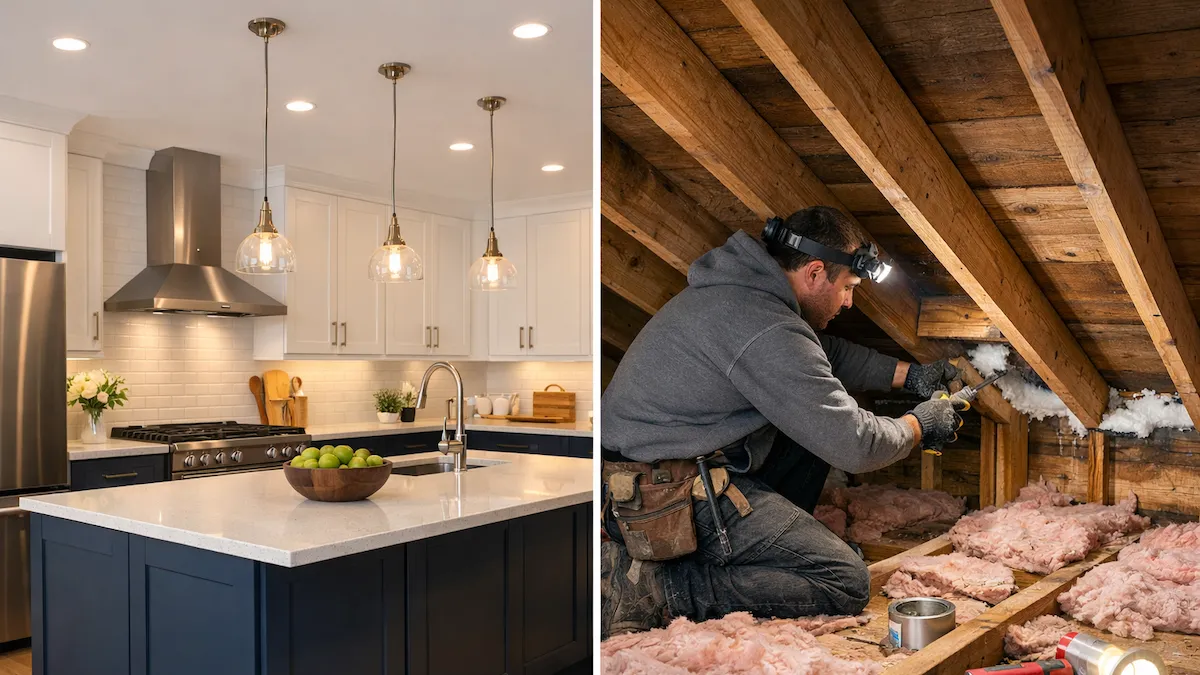
Cosmetic renovations focus on improving the appearance of a home without changing its structure.
These upgrades are usually quicker to complete and often cost less than major construction projects.
Common cosmetic improvements include:
- Interior painting
- New flooring
- Cabinet refinishing
- Modern lighting fixtures
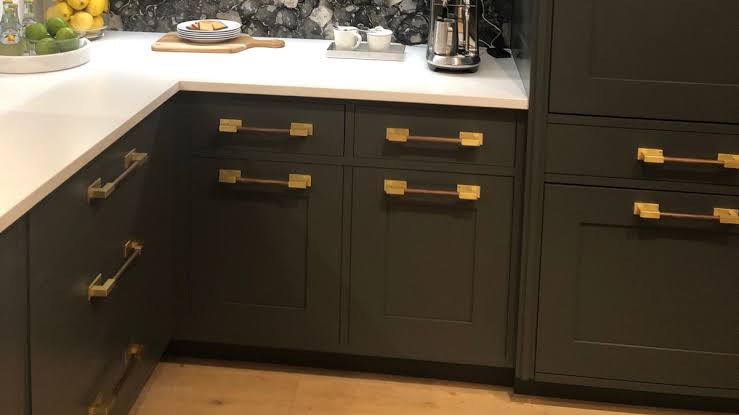
- Updated hardware
- Kitchen backsplash installation
- Bathroom fixture replacements
- New trim and molding
- Landscaping improvements
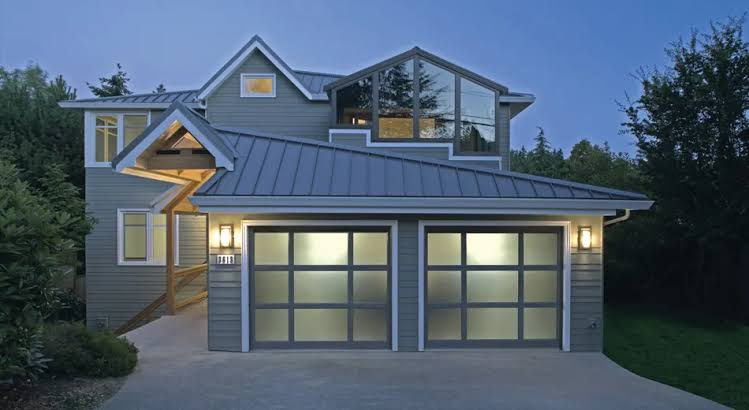
- Fresh exterior paint
These projects make a home look cleaner, newer, and more appealing without altering how it’s built.
Understanding Structural Improvements
Structural improvements involve repairing, replacing, or strengthening essential parts of the home.
These projects are usually more expensive and may require permits, inspections, or professional engineering.
Examples include:
- Foundation repairs
- Roof replacement
- Electrical rewiring
- Plumbing replacement
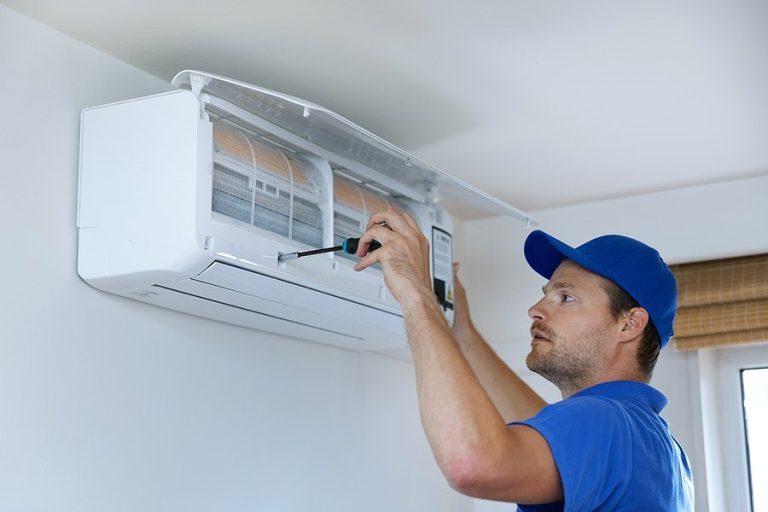
- HVAC system upgrades
- Structural beam repairs
- Drainage improvements
- Window replacement
- Insulation upgrades
- Major framing repairs
While buyers may not immediately notice these improvements, they often play a crucial role in the home’s safety, efficiency, and long-term durability.
Why Cosmetic Renovations Often Deliver Fast Results
Cosmetic updates are highly visible.
A freshly painted room, modern kitchen hardware, or new flooring can dramatically improve a home’s appearance almost immediately.
These upgrades often help create a strong first impression during home showings.
Benefits include:
- Lower project costs
- Faster completion
- Immediate visual impact
- Improved buyer appeal
- Easier budgeting
Because they’re relatively affordable, cosmetic improvements can provide an excellent return when preparing a home for sale.
The Value of Structural Improvements
Structural improvements rarely generate excitement during a home tour, but they solve problems buyers care deeply about.
Few buyers want to purchase a home with:
- Roof leaks
- Foundation cracks
- Outdated electrical systems
- Plumbing issues
- Poor insulation
Addressing these concerns increases buyer confidence and may prevent price negotiations later.
Even if these upgrades don’t dramatically increase the selling price, they often help preserve your home’s market value.
Which Projects Offer Better ROI?
The answer depends on your home’s current condition.
When Cosmetic Renovations Offer Better ROI
Cosmetic improvements usually provide better returns when:
- The home’s structure is already in good condition.
- You’re preparing to sell.
- Your budget is limited.
- Rooms simply look outdated.
- Small improvements can modernize the space.
For example, repainting walls, replacing worn carpet, updating cabinet hardware, and improving landscaping can significantly enhance curb appeal without major expenses.
When Structural Improvements Offer Better ROI
Structural upgrades become the better investment when your home has underlying issues.
If buyers discover major problems during inspections, cosmetic improvements often become much less important.
Structural projects are especially worthwhile when they address:
- Safety concerns
- Water damage
- Aging mechanical systems
- Poor energy efficiency
- Building code issues
These repairs protect the home’s value while reducing future maintenance costs.
Buyer Perspective Matters
Imagine two similar homes for sale.
The first has beautiful new paint and stylish fixtures but an aging roof and outdated electrical wiring.
The second has a newer roof, updated electrical system, and modern plumbing but slightly older paint colors.
Many buyers would likely choose the second home because expensive structural repairs have already been completed.
Appearance attracts attention, but reliability often influences purchasing decisions.
Energy-Efficient Improvements Can Increase ROI
Some home improvements combine cosmetic appeal with structural benefits.
Examples include:
- Energy-efficient windows
- Improved insulation
- High-efficiency HVAC systems
- Modern exterior doors
- Smart thermostats
These upgrades may reduce monthly utility bills while making the home more attractive to buyers.
Many homeowners appreciate improvements that continue saving money long after installation.
Maintenance Should Always Come First
Before investing in appearance, address maintenance issues.
For example:
- Repair roof leaks before repainting ceilings.
- Fix plumbing leaks before replacing flooring.
- Resolve foundation movement before remodeling interiors.
- Upgrade unsafe wiring before installing expensive lighting.
Ignoring underlying problems often results in cosmetic improvements needing replacement sooner than expected.
Budget Considerations
Not every homeowner has the budget for major structural upgrades.
If finances are limited, prioritize projects that improve both function and appearance.
For example:
- Replace damaged flooring instead of covering it.
- Upgrade old lighting while improving electrical safety.
- Install durable exterior materials during siding repairs.
- Improve insulation when replacing drywall.
Combining projects often provides better long-term value.
Living in the Home vs. Selling It
Your plans for the property should influence renovation decisions.
If You’re Staying Long-Term
Focus on improvements that improve daily comfort.
These may include:
- Better insulation
- HVAC upgrades
- New windows
- Plumbing improvements
- Roof replacement
Although buyers may not immediately see these upgrades, you’ll benefit from them every day.
If You’re Selling Soon
Cosmetic improvements often offer stronger short-term returns.
Simple upgrades such as:
- Fresh paint
- Updated lighting
- Clean landscaping
- Modern hardware
- Deep cleaning
- Minor repairs
can create an excellent first impression without requiring a large investment.
Can You Combine Both?
Absolutely.
The highest ROI often comes from balancing cosmetic and structural improvements.
For example:
- Replace an aging roof while improving exterior appearance.
- Upgrade windows that enhance both energy efficiency and curb appeal.
- Remodel a bathroom while replacing outdated plumbing.
- Install new flooring after correcting moisture issues.
This approach creates a home that’s both attractive and reliable.
Questions to Ask Before Renovating
Before beginning any project, ask yourself:
- Is the home’s structure in good condition?
- Will this improvement solve an existing problem?
- Does the upgrade improve daily living?
- Will future buyers appreciate it?
- Is this repair overdue?
- Will the project reduce future maintenance?
- Does it fit my long-term plans?
Answering these questions helps prioritize projects that deliver meaningful value.
Common Renovation Mistakes
Many homeowners unintentionally reduce their return on investment by:
- Spending heavily on trendy finishes.
- Ignoring necessary repairs.
- Over-improving beyond neighborhood standards.
- Choosing low-quality materials.
- Delaying maintenance too long.
- Renovating without a clear budget.
Balancing practicality with appearance usually produces the best results.
Final Thoughts
So, which gives better ROI—cosmetic renovation or structural improvement?
There isn’t a one-size-fits-all answer. Cosmetic renovations often provide a faster and more noticeable return by improving a home’s appearance and creating a strong first impression. They’re generally more affordable and can make a property feel fresh, modern, and move-in ready.
Structural improvements, however, protect the home’s long-term value. They address essential systems, improve safety, increase energy efficiency, and reduce the risk of costly future repairs. While buyers may not immediately notice a new roof or updated electrical wiring, these upgrades often play a major role in purchasing decisions and home inspections.
The best strategy is to prioritize structural issues first, then invest in cosmetic updates that enhance your home’s overall appeal. By combining solid maintenance with thoughtful design improvements, you’ll create a home that’s not only attractive but also dependable—delivering better value today and stronger returns in the years ahead.