Sustainable Flooring Options Compared: Durability, Maintenance, Cost, and Environmental Impact
Flooring is one of the most important parts of any home or commercial space. It affects comfort, appearance, indoor air quality, maintenance needs, and even the environmental impact of a building. While traditional flooring options have focused mainly on style and durability, many homeowners today are looking for sustainable flooring solutions that reduce environmental harm without sacrificing performance.
Sustainable flooring does not simply mean choosing a natural-looking material. A truly eco-friendly floor considers how the material is produced, how long it lasts, how much maintenance it requires, whether it can be recycled, and what impact it has throughout its entire lifecycle.
From bamboo and cork to recycled materials and responsibly sourced hardwood, modern flooring options offer different benefits depending on your budget, lifestyle, and design goals. Understanding the strengths and limitations of each option can help you choose a floor that performs well while supporting a healthier environment.
What Makes Flooring Sustainable?
Before comparing different materials, it is important to understand what makes a flooring option environmentally responsible.
A sustainable floor usually has several characteristics:
- Made from renewable or recycled materials
- Requires fewer harmful chemicals during manufacturing
- Has a long lifespan
- Produces less waste
- Can be repaired, reused, or recycled
- Improves indoor air quality
- Requires less energy during production
However, no flooring material is perfect. Some options may be renewable but require specialized transportation, while others may be highly durable but difficult to recycle. The best choice depends on balancing environmental benefits with practical needs.
Bamboo Flooring: Fast-Growing and Renewable
Bamboo flooring has become popular as an alternative to traditional hardwood because bamboo grows much faster than most trees. Some bamboo species can reach maturity within a few years, making it a renewable resource.
Durability
High-quality bamboo flooring can be extremely durable, especially when manufactured using advanced compression methods. Strand-woven bamboo is generally considered stronger than traditional bamboo flooring because the fibers are compressed under high pressure.
However, cheaper bamboo products may be more vulnerable to scratches, moisture damage, and uneven wear.
Maintenance
Bamboo floors are relatively easy to maintain. Regular sweeping, vacuuming, and occasional damp mopping are usually enough to keep them clean.
Like hardwood, bamboo should be protected from excessive moisture because standing water can cause swelling or damage.
Cost
Bamboo is often priced competitively compared to hardwood flooring. It can provide a premium appearance without the higher cost associated with some traditional wood species.
Environmental Impact
The biggest advantage of bamboo is its rapid growth cycle. However, sustainability depends on responsible farming practices, manufacturing methods, and transportation distance.
Cork Flooring: Comfort Meets Sustainability
Cork flooring is made from the bark of cork oak trees. The bark can be harvested without cutting down the tree, allowing it to regenerate over time.
This makes cork one of the most renewable flooring materials available.
Durability
Cork is naturally flexible and can recover from minor dents because of its cellular structure. It provides a comfortable surface underfoot, making it popular for kitchens, bedrooms, and home offices.
However, cork is softer than materials like tile or hardwood, so heavy furniture and sharp objects can leave marks.
Maintenance
Cork requires regular cleaning to prevent dirt buildup. Protective finishes help improve resistance against moisture and wear.
In areas exposed to water, proper sealing is important because untreated cork can absorb moisture.
Cost
Cork flooring usually falls into the mid-range price category. Installation costs can vary depending on the type of cork flooring and preparation required.
Environmental Impact
Cork has strong environmental benefits because harvesting does not destroy the tree. Cork forests also support biodiversity and help store carbon.
Reclaimed Wood Flooring: Character With Less Waste
Reclaimed wood flooring uses timber recovered from old buildings, barns, factories, or other structures. Instead of producing new materials, this approach gives existing wood a second life.
Durability
Older wood can be extremely strong because many historic structures used dense, slow-grown timber. Reclaimed wood often has unique character, including natural markings and variations.
However, it may require careful inspection and treatment before installation.
Maintenance
Maintenance is similar to traditional hardwood. Regular cleaning and occasional refinishing can extend its lifespan for decades.
Cost
Reclaimed wood can be more expensive than standard flooring because of the labor involved in sourcing, preparing, and finishing the material.
Environmental Impact
Its biggest advantage is waste reduction. Reusing existing wood prevents additional tree harvesting and reduces landfill waste.
Recycled Flooring Materials: Turning Waste Into Useful Products
Modern flooring manufacturers are creating products from recycled materials such as reclaimed rubber, recycled plastic, and industrial waste.
These options are commonly used in gyms, commercial spaces, workshops, and modern residential designs.
Durability
Many recycled flooring products are designed for heavy use. Rubber flooring, for example, provides excellent impact resistance and works well in areas requiring extra protection.
Maintenance
Maintenance requirements depend on the material. Many recycled flooring options are stain-resistant and easy to clean.
Cost
Pricing varies widely. Some recycled products are affordable, while specialized designs may cost more than conventional flooring.
Environmental Impact
Using recycled materials reduces waste and lowers demand for new raw resources.
Sustainable Hardwood Flooring: A Responsible Traditional Choice
Hardwood remains one of the most popular flooring materials because of its appearance and longevity. When sourced responsibly, it can also be a sustainable option.
Look for wood certified from responsibly managed forests and manufacturers that follow ethical harvesting practices.
Durability
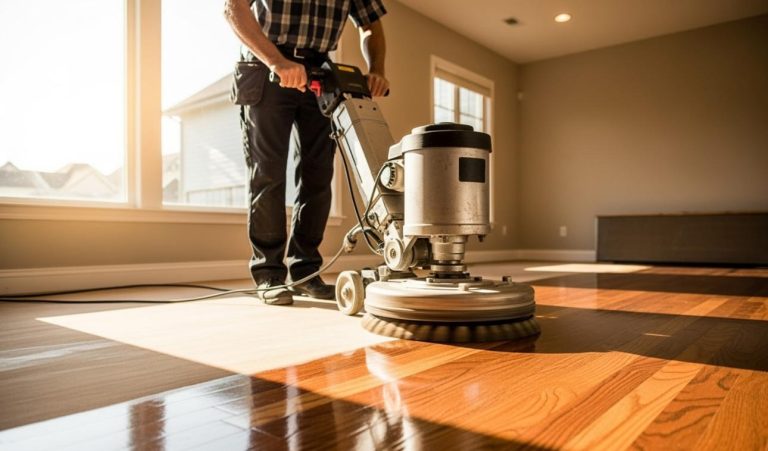
Quality hardwood can last for generations. Unlike many flooring materials, it can often be refinished multiple times instead of replaced.
Maintenance
Hardwood requires regular cleaning and protection from excessive moisture. Periodic refinishing helps restore its appearance.
Cost
Hardwood can have a higher upfront cost, but its long lifespan may make it cost-effective over time.
Environmental Impact
Responsible sourcing is the key factor. Poorly managed logging can create environmental problems, while sustainable forestry helps protect ecosystems.
How to Choose the Right Sustainable Flooring
The most environmentally friendly flooring is not always the cheapest or the newest option. The right choice depends on how the space will be used.
Consider these factors:
Room Usage
High-traffic areas need stronger materials, while bedrooms and low-use spaces allow more flexibility.
Climate Conditions
Homes in humid areas may need moisture-resistant flooring, while colder climates may benefit from warmer materials like cork.
Maintenance Expectations
Some homeowners prefer floors that require minimal care, while others are comfortable with occasional refinishing.
Long-Term Value
A durable floor that lasts 30 years is often more sustainable than a cheaper option that needs replacement every few years.
Final Thoughts
Sustainable flooring has moved beyond being a niche design choice. Today, homeowners have access to materials that combine environmental responsibility with durability, comfort, and attractive designs.
Bamboo offers renewable growth, cork provides natural comfort, reclaimed wood reduces waste, recycled materials give new purpose to discarded resources, and responsibly sourced hardwood delivers long-term performance.
The best flooring decision is not only about how a material looks when installed. It is about how it performs over time, how much maintenance it requires, and how its production affects the planet.
By considering durability, maintenance, cost, and environmental impact together, homeowners can choose flooring that creates a beautiful space while supporting a more sustainable future.