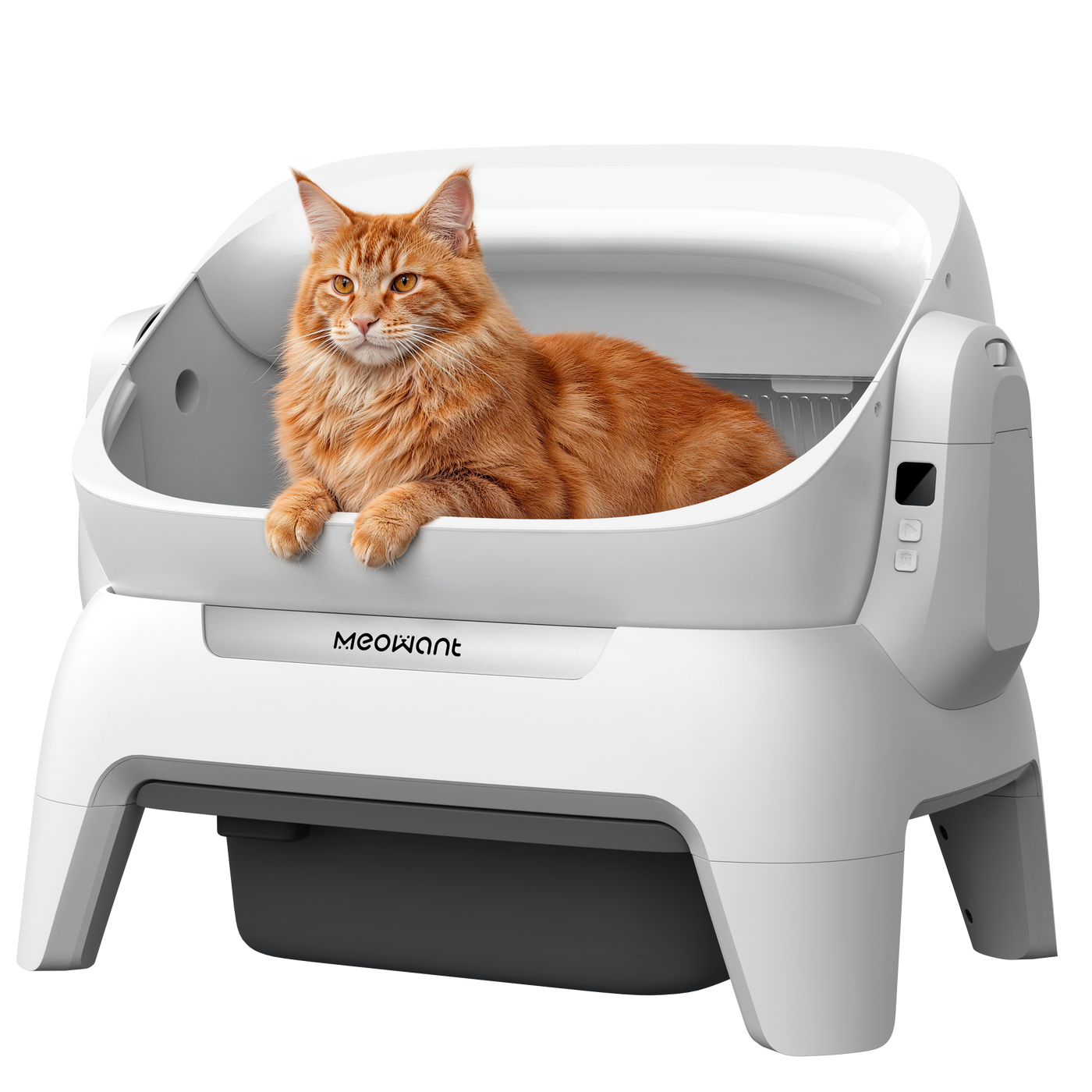
Automatic Cat Litter Boxes: A Stress-Free Upgrade for Busy Homes
Every cat household has a corner that decides how the day starts. If the box is clean, the morning is calm; if it is not, you are negotiating with a cat who has opinions and a schedule of their own. Scooping is simple work, but it is relentless — twice a day, every day, through holidays, deadlines, and the weeks when everything else is already too much.
That is the appeal of automatic units. They do not change your cat’s needs; they change how often those needs land on your to-do list. The better ones handle the routine quietly in the background, so the box stays usable between your visits. The weaker ones create new problems. This guide walks through how the category actually works, which features matter for different homes, and how to introduce a unit without stressing the cat who has to live with it.
Why the Litter Chore Keeps Winning
Cats are fastidious animals, and the litter box is where that trait collides with human schedules. A box that is scooped daily stays inviting; a box that sits for three days starts sending signals a cat reads long before we do. Behaviorists consistently point to litter box conditions as one of the first things to check when a cat starts urinating outside the box, avoids the room, or vocalizes near it. Those behaviors are not spite. They are a reasonable response to a bathroom that no longer feels clean.
The trouble is that cleanliness is a moving target. One cat may tolerate a slightly used box; another wants fresh litter every time. In multi-cat homes, the pressure multiplies, and the ten minutes of scooping before work becomes a negotiation. Automation does not eliminate maintenance, but it collapses the frequency of the most unpleasant part. That is the practical case for it: not luxury, but consistency on days when consistency is hard.
How Automatic Units Actually Work
Two designs dominate the market. Rake-style boxes use a comb that sweeps through clumping litter and pushes solids into a sealed compartment, often within a few minutes of the cat leaving. Drum or globe designs rotate the entire litter chamber, sifting clean litter through a screen while waste drops into a drawer below. Both depend on clumping litter, and both require a waste receptacle that needs emptying on a schedule that has nothing to do with your enthusiasm.
What separates a reliable unit from a fussy one is rarely the motor. Most automatic cat litter boxes on the market use similar mechanics; the real differences show up in sensor logic, cycle timing, and how gracefully the machine handles interruptions. A cheaper unit with conservative safety behavior will outperform an expensive one that cycles too eagerly.
Litter compatibility deserves more attention than it usually gets. Fine, soft litters pass through sifting screens and jam rakes; very coarse pellets defeat the clumping assumption entirely. Stick to the litter type the manufacturer specifies, and keep the fill line where it belongs. Overfilling is the most common owner-caused failure, because a box packed to the rim pushes heavy clumps into moving parts.
Sensors, Timers, and the Delay That Matters
Safety sensors are non-negotiable. A unit should only cycle after the cat has left, and it should stop immediately if weight or motion reappears. Delay windows of several minutes exist for a good reason: they give a cat time to return for a second visit before the rake moves, and they reduce the chance of a cycle starting while a paw is still inside.
Timers and app controls are convenient, but they should never override presence detection. A scheduled cycle that runs while a cat is investigating the box is worse than no cycle at all. When you read reviews, look for complaints about cycles starting mid-visit, false triggers, and error lights that require a manual reset. Those are the failure patterns that turn automation into babysitting.
Matching the Unit to Your Household
There is no universal best size, litter type, or feature set. The right unit depends on how many cats use it, how old they are, and how much floor space you can spare. Three questions do most of the filtering.
Homes with several cats
Common guidance says one box per cat plus one, and automation does not repeal that math. What it does change is how manageable each box is. In a two-cat home, a single large unit with a generous waste drawer can replace two manual boxes, provided the cats are willing to share. Watch for queueing: if one cat guards the entrance or another waits at a distance, the unit is not solving the problem. A second automated box, or one automated box plus a manual backup in another room, often works better than a larger single unit.
Small apartments and older owners
Footprint matters more than capacity in tight spaces. Measure the swing of any door and the clearance the unit needs for the drawer, then check that the entrance is low enough for a senior cat with stiff joints. Entry height is an underrated feature; a high lip that keeps litter in can also keep an arthritic cat out. For owners who travel or work long shifts, drawer volume and cycle reliability matter more than app features they will rarely open.
Getting the Transition Right
The first week decides whether the purchase earns its place. Keep the old box in service while the new unit runs empty or with a thin layer of familiar litter. Place the automated box beside the old one if space allows, then move it gradually toward its permanent spot. Cats dislike a change of location more than a change of equipment.
Run a few test cycles while the cat watches from a safe distance, and reward calm curiosity. If your cat startles, pause the automation for a day and let the box sit as furniture. Resist the urge to hover during the first real visit; a cat that feels watched may hold it and choose a corner instead.
Maintenance expectations should be set early. Empty the drawer before it is full, wipe the interior with a pet-safe cleaner, and check the rake or drum for litter dust buildup. A unit that is neglected will smell, and a smelly automated box is worse than a clean manual one. Keep a spare box available for deep-cleaning days so the cats are never locked out of a bathroom.
What to Verify Before You Commit
Product pages rarely answer the questions that matter after the first month. Confirm that replacement parts are available, that the drawer seal is replaceable, and that the unit has a manual cycle option. Ask about the returns window, because a cat’s opinion cannot be predicted from specifications.
Also check the noise level with the unit running. A machine in a hallway or a studio apartment should not sound like a small appliance fighting for its life. Quieter operation is not a vanity feature; it is what lets the unit run at night without waking the household or the cat.
Finally, consider the power and placement constraints. Automated boxes need an outlet within reach, and the cord should never cross a walking path where a cat might chew or trip. Give the unit a wall behind it so it does not slide, and leave clearance around the drawer so you can pull it out without shifting the whole box. These are boring details, but they decide whether the unit feels built into your home or permanently in the way.
One more thing worth testing early: how the unit behaves after a power outage. A good machine resumes a safe state and does not start a cycle the moment power returns, particularly if a cat happens to be inside. If the manual does not explain this, ask the seller. It says a lot about how seriously the manufacturer treats safety.
Making the Daily Chore Disappear
Automation is not about removing yourself from your cat’s care; it is about removing the part of care that is repetitive and easy to postpone. A well-chosen unit keeps the box usable during long workdays, makes multi-cat households more stable, and gives older cats a clean place to go without asking their owners to bend and scoop twice a day.
The decision comes down to fit. Look for dependable sensors, a sensible delay, an entrance your cat can use comfortably, and a waste drawer you will actually empty. Brands such as Meowant build their lineup around the same idea: the machine handles the repetition, and the owner keeps the judgment. Get those basics right, and the litter corner stops being the first thing you think about in the morning.