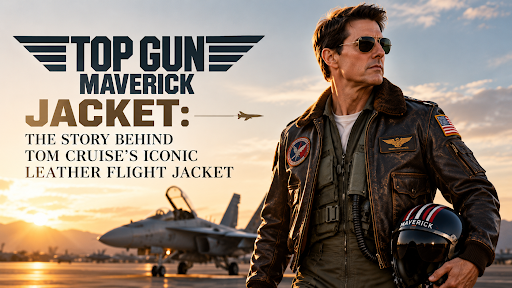
Top Gun Maverick Jacket: The Story Behind Tom Cruise’s Iconic Leather Flight Jacket
Few pieces of clothing have followed a movie character around quite like the Top Gun Maverick Jacket. Mention it to anyone who grew up in the eighties and they’ll picture Tom Cruise on a carrier deck, patches stitched across the chest, collar turned up against the wind. It’s an odd kind of fame when you think about it. A brown leather jacket, designed for function and issued by the Navy, ended up as one of the most recognizable looks in film history.
Part of the appeal is that nothing about it was invented for Hollywood. The design comes from real military gear, and the movie simply caught it at exactly the right moment. So let’s walk through where the jacket came from, what made the 1986 version stand out, and why people are still buying it almost forty years later.
That staying power is also why makers like North American Jackets still build their flight jackets around the same basic pattern: a sturdy leather body, a fur-style collar, and knit trim at the cuffs and waist. The details change from one brand to another, but the original blueprint has never needed much fixing.
From Navy Issue to Movie Costume
The jacket Maverick wears is based on the G-1, a flight jacket developed for US Navy aviators in the early 1940s. It was the Navy’s answer to the Army Air Forces’ A-2, and the thinking behind it was purely practical. Pilots of that era flew in cold, drafty cockpits, so warmth and durability mattered far more than looks.
Every feature had a job. Goatskin or horsehide leather resisted wind and wear. A mouton collar, which is sheepskin treated to look and feel like fur, kept the neck warm without getting in the way of a pilot’s head movement. Knit cuffs and a ribbed waistband sealed the gaps where cold air likes to sneak in, and the flap pockets kept hands and small gear close. Versions of the G-1 stayed in service for decades, which is a big part of why it felt so authentic on screen.
What Made the 1986 Version Stand Out
Top Gun hit theaters in 1986, directed by Tony Scott, with Cruise playing Pete “Maverick” Mitchell, the cocky young pilot with more talent than patience. His jacket wasn’t a clean, museum-ready piece. It carried a US Navy patch, a Top Gun school emblem, a name tag and an American flag, all layered on in a way that looked like someone had actually worn it through a few deployments.
That busy, slightly beaten-up look is a big reason people latched onto it. Ask anyone to describe a Top Gun Maverick Jacket and the same features tend to come up: warm brown leather, a shearling-style collar, ribbed trim, and a scatter of patches that tell you where the wearer has been. It looks like gear first and fashion second, which is exactly why it works as fashion.
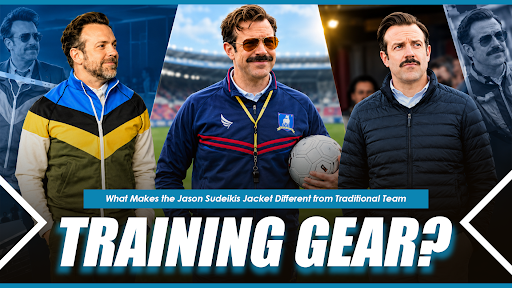
The way Cruise wore it mattered too. The tom cruise top gun jacket was never styled like a costume. He threw it on over a plain tee and jeans, added a pair of aviators, and the whole outfit felt effortless. Reports at the time linked the film to a jump in Navy recruitment interest, and flight jackets and aviator sunglasses suddenly started showing up in stores everywhere.
The Sequel Brings It Back
When Top Gun: Maverick arrived in 2022, the jacket came back with it. More than three decades had passed in the story, and the costume reflected that. The sequel’s version looked a bit more weathered, like leather that had been worn, scuffed and kept anyway. The film earned well over a billion dollars worldwide, and a new generation of viewers started hunting for the jacket all over again.
What Defines the Design
If you’re curious what actually separates this jacket from any other brown leather coat, a handful of details do most of the work.
- Leather: The original G-1 used goatskin or horsehide. Modern versions often use sheepskin or cowhide, which can feel softer and break in faster.
- Collar: A shearling or faux-shearling style collar that can be turned up for extra warmth.
- Trim: Knit cuffs and waistband that keep the fit snug without bunching.
- Pockets: Two flap pockets on the front, simple and sturdy.
- Patches: The Navy, Top Gun and name patches are what make it read as Maverick’s rather than a generic G-1.
What to Check Before You Buy
If you’re shopping for one, look at the leather first. It should feel supple, not stiff or plasticky, and the grain should look natural, with small variations rather than a perfectly uniform finish. Check the knit trim as well, since cheap cuffs lose their stretch quickly. Stitching along the shoulders and pockets should be tight and even. And think about sizing before you think about style: a flight jacket is meant to sit at the waist with room for a sweater underneath, not hang loose like a coat or pinch across the back when you reach forward.
Why People Still Wear It
A flight jacket from the 1940s has no business looking current, yet this one does. Part of it is how adaptable it is. Brown leather works with jeans, chinos, a plain tee or a thick knit sweater, and the patches can come off if you’d rather keep things quiet. It also ages nicely. A good one picks up creases and softens with wear, so the jacket you buy and the jacket you own after five winters are two slightly different things.
There’s some nostalgia in it too, obviously. For plenty of people it’s tied to a movie they watched with a parent or a sequel they caught in a packed theater. But nostalgia alone doesn’t keep a jacket in rotation for decades. The shape, the warmth and the rugged practicality do that.
In the end, the story is a good reminder that the best costume pieces usually start as real clothing. The Navy built it to keep pilots warm, Hollywood gave it a face, and all these years later it still looks like something you’d actually want to wear.