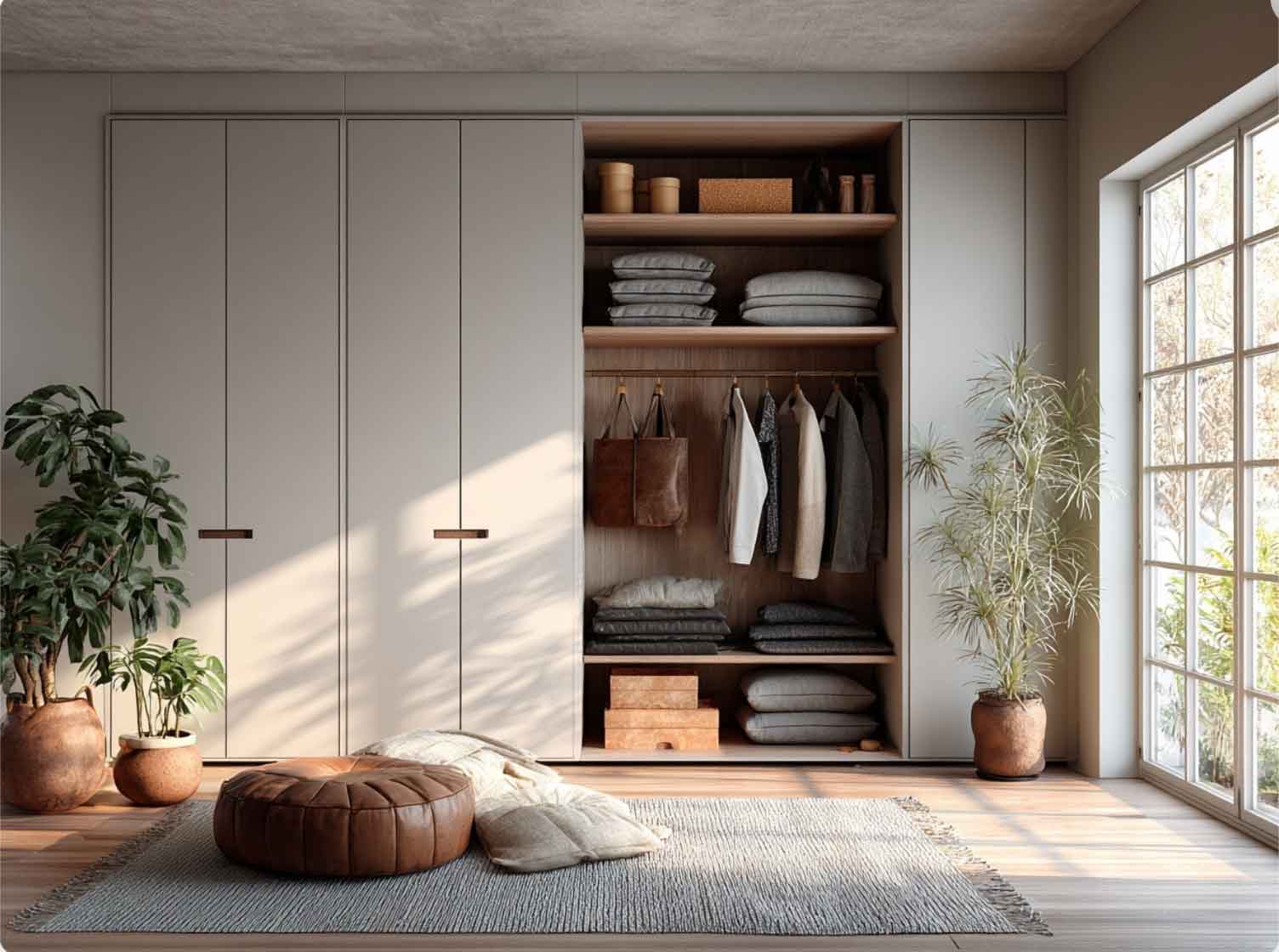
How to Build a Wardrobe That Lasts 10 Years Instead of One Season
Fashion trends change faster than ever. New collections appear every few weeks, social media constantly introduces new styles, and many retailers encourage shoppers to replace clothing long before it wears out. While keeping up with trends can be fun, it often leads to overflowing closets filled with items that are rarely worn and quickly forgotten.
Building a wardrobe designed to last for a decade takes a different approach. Instead of chasing seasonal trends, the focus shifts to quality, versatility, durability, and personal style. A long-lasting wardrobe doesn’t mean wearing the same outfit every day or avoiding fashion altogether. It means investing in clothing that continues to look good, feel comfortable, and fit your lifestyle year after year.
Whether you’re starting from scratch or gradually replacing existing pieces, creating a wardrobe built for longevity can save money, reduce waste, simplify daily decisions, and help you develop a more consistent personal style.
Start With Your Lifestyle, Not Fashion Trends
The most practical wardrobe reflects how you actually live.
Before buying anything, think about:
- Your work environment
- Daily activities
- Climate
- Hobbies
- Social events
- Travel habits
If most of your time is spent in casual settings, there’s little value in filling your closet with formal clothing you rarely wear.
Define Your Personal Style
Trends come and go, but personal style evolves more slowly.
Ask yourself:
- Which outfits make you feel confident?
- What colors do you naturally wear?
- Which clothing do you reach for most often?
- What fits your personality?
Understanding your preferences helps reduce impulse purchases.
Focus on Timeless Designs
Certain clothing styles remain fashionable for many years because they rely on clean lines and balanced proportions rather than short-lived trends.
Examples include:
- Well-fitted jeans
- Plain T-shirts
- Oxford shirts
- Simple sweaters
- Neutral blazers
- Classic trousers
- Minimal sneakers
- Leather loafers
Timeless pieces are easier to combine with future purchases.
Buy Better, Not More
A smaller collection of well-made clothing often provides greater value than a large wardrobe filled with inexpensive items.
When shopping, pay attention to:
- Fabric quality
- Stitching
- Buttons
- Zippers
- Seams
- Construction
Well-made garments generally withstand repeated wear and washing more effectively.
Choose Durable Fabrics
Fabric quality has a major influence on longevity.
Materials known for durability include:
- Cotton
- Linen
- Wool
- Merino wool
- Denim
- Leather
- Hemp
Many natural fibers improve with age when cared for properly.
Understand Fabric Blends
Blended fabrics aren’t automatically inferior.
Some blends improve:
- Wrinkle resistance
- Stretch
- Durability
- Shape retention
The best choice depends on how the garment will be used.
Prioritize Fit Over Brand Names
An expensive label doesn’t guarantee long-term satisfaction.
Clothing that fits well is more likely to be worn regularly.
Good fit should provide:
- Comfortable movement
- Balanced proportions
- Proper sleeve length
- Appropriate trouser length
- Comfortable shoulders
Tailoring simple garments often creates a better result than buying premium brands that fit poorly.
Build Around Neutral Colors
Neutral colors remain versatile across changing trends.
Examples include:
- Black
- White
- Navy
- Gray
- Beige
- Olive
- Brown
These colors combine easily, allowing you to create more outfits with fewer pieces.
Add Color Intentionally
A timeless wardrobe doesn’t have to be boring.
Instead of following seasonal color trends, choose accent colors that:
- Complement your skin tone
- Match existing clothing
- Reflect your personality
This creates variety without reducing versatility.
Avoid Buying for One Occasion
Clothing purchased for a single event often spends years unused.
Before buying, ask yourself:
“Can I wear this in multiple situations?”
Versatile clothing generally offers better long-term value.
Pay Attention to Construction Details
Small details often indicate overall quality.
Look for:
- Even stitching
- Reinforced seams
- Strong buttons
- Durable zippers
- Quality linings
- Clean finishing
These features often contribute to a garment’s lifespan.
Invest in Quality Footwear
Shoes experience significant daily wear.
Choosing durable footwear made from quality materials can improve both comfort and longevity.
Properly maintained shoes often last many years.
Learn Basic Clothing Care
Even high-quality clothing deteriorates without proper care.
Helpful habits include:
- Following care labels
- Washing with appropriate temperatures
- Air drying when possible
- Folding knitwear properly
- Using suitable hangers
Proper maintenance significantly extends garment life.
Rotate Your Clothing
Wearing the same items repeatedly accelerates wear.
Rotating clothing allows fabrics to recover between uses while distributing wear more evenly across your wardrobe.
Repair Instead of Replacing
Small problems don’t always require new purchases.
Simple repairs may include:
- Replacing buttons
- Repairing loose seams
- Fixing hems
- Resoling shoes
- Replacing zippers
Minor maintenance can extend the life of quality garments considerably.
Shop More Slowly
Impulse buying often leads to regret.
Before making a purchase, consider:
- Do I already own something similar?
- Will I wear this frequently?
- Does it match multiple outfits?
- Will I still like it in five years?
Taking time reduces unnecessary purchases.
Don’t Ignore Comfort
Even beautiful clothing won’t last in your wardrobe if it’s uncomfortable.
Comfort encourages regular wear, making each purchase more valuable.
Quality Doesn’t Always Mean Luxury
Expensive clothing isn’t automatically better.
Likewise, affordable clothing isn’t always poor quality.
Evaluate each garment individually based on:
- Materials
- Construction
- Fit
- Durability
Price should be only one factor in your decision.
Build Gradually
Creating a long-lasting wardrobe doesn’t happen overnight.
Replacing everything at once is unnecessary.
Instead:
- Replace worn-out items thoughtfully.
- Upgrade essentials first.
- Add versatile pieces gradually.
Over time, your wardrobe naturally becomes stronger and more cohesive.
Buy With the Future in Mind
Fashion trends will continue changing.
Before purchasing, imagine wearing the item several years from now.
If it still seems practical, comfortable, and attractive, it’s more likely to become a lasting part of your wardrobe.
Final Thoughts
Building a wardrobe that lasts for ten years is less about owning more clothing and more about making thoughtful, long-term decisions. By choosing timeless designs, durable materials, quality construction, and pieces that genuinely suit your lifestyle, you create a collection of clothing that remains useful and stylish long after seasonal trends have disappeared. A smaller wardrobe filled with versatile, well-fitting garments often provides greater value than a larger collection of impulse purchases that quickly fall out of use.
Longevity also depends on how clothing is cared for. Proper washing, careful storage, rotating frequently worn items, and repairing minor damage instead of replacing garments can significantly extend their lifespan. These habits not only help preserve the appearance and comfort of your clothes but also reduce unnecessary spending over time.
Ultimately, a lasting wardrobe reflects your personal style rather than the latest fashion cycle. It gives you the confidence to dress consistently, simplifies everyday decisions, and encourages more intentional shopping habits. By focusing on quality, practicality, and timeless appeal, you can build a wardrobe that continues to serve you well for many years while offering both financial and environmental benefits.