Advanced Residential Window Security Film Applications for Strengthening Glass Against Break Ins and Storm Debris
Glass is the weakest point in almost every home’s perimeter. A burglar does not need to pick a lock when a window can be smashed in seconds, and a storm does not need to tear off a roof when wind-driven debris can punch through a pane and open the house to wind and rain. Security film is the most practical answer for existing windows: a thick polyester layer bonded to the inside of the glass that holds shattered panes together, delays forced entry, and keeps flying glass out of the room. It does not make glass unbreakable — but it changes what a broken window means.
The direct answer is that an 8 mil security film, professionally installed with edge anchoring, typically delays a forced entry by thirty to sixty seconds and keeps storm debris from opening the house — enough time for an alarm to trigger and for an opportunistic intruder to give up. Thicker films and proper anchoring buy more time. This guide explains how film works, which thickness fits which threat, where it belongs first, and how installation and curing actually go.
A Window Is the Weakest Point in a Home’s Perimeter
Most residential burglaries involve entry through glass windows or glass doors, because glass is fast and quiet to break compared with forcing a locked door. A standard annealed pane shatters into large, sharp pieces and falls out of the frame, leaving an open hole. Laminated glass and security film both change that outcome, but film is the retrofit option: it goes onto glass that is already in place, without replacing the window, and it costs a fraction of new laminated units.
Storms exploit the same weakness. In hurricanes and severe thunderstorms, flying debris breaks windows, and once a window opens, wind pressure inside the house can lift roofs and push rain deep into the structure. Security film keeps the broken pane in the frame, so the opening stays closed and the house stays sealed. That is why insurers in storm-prone regions often reduce premiums for filmed windows — the film is a documented risk reduction, not a decoration.
How Security Film Holds Shattered Glass in the Frame
Security film is a multi-layer polyester film, usually called PET, laminated together with a strong adhesive and applied wet to the interior surface of existing glass. When the glass breaks, the shards stay bonded to the film instead of scattering across the room. The pane cracks, but it stays in the frame as a single flexible sheet, so an intruder has to keep striking, cutting, or pushing to get through — and each extra hit costs time and makes noise.
Film Thickness in Mils: What 4, 8, and 12 Mil Actually Stop
Film thickness is measured in mils, where one mil is one thousandth of an inch, and thickness directly controls tear and puncture strength. A 2 to 4 mil film is basic safety film: it keeps shattered glass contained and reduces laceration injuries, which is why it meets safety glazing standards. It is not a security product. Real forced-entry delay starts at 7 to 8 mil, and heavy-duty protection uses 12 to 15 mil film, often with mechanical anchoring to the frame.
| Film thickness | What it does | Best use | Installation |
| 2-4 mil safety film | Contains shattered glass | Injury prevention, code compliance | DIY possible |
| 7-8 mil security film | Delays forced entry 30-60 seconds | Residential security, ground floor | Professional advised |
| 12 mil security film | Resists repeated heavy impact | High-value glass, storm zones | Professional required |
| 14-15 mil heavy duty | Blast and severe windstorm resistance | High-threat, hurricane rated systems | Certified installer only |
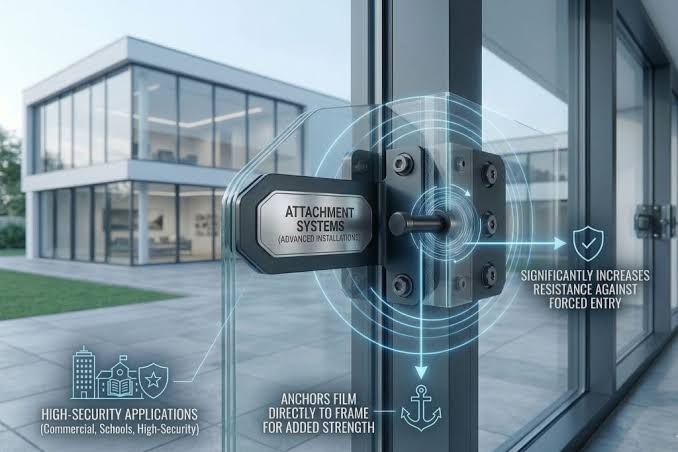
Thicker film needs professional installation and, for the best performance, an attachment system that bonds the film to the frame. A 12 mil film applied without anchoring still holds glass together, but the whole filmed pane can be pushed out of the frame as one piece. Thickness buys resistance; anchoring makes the resistance count.
Safety Film vs Security Film vs Hurricane-Rated Systems
Safety film and security film are often confused, but they serve different purposes. Safety film meets ANSI Z97.1 and CPSC 16 CFR 1201, the standards for human impact safety — it exists to stop people from falling through glass or being cut by it. Security film is three to four times thicker, with a stronger adhesive system, and is built for forced entry and storm protection. Hurricane-rated systems add another layer: film plus anchoring tested to ASTM E1886 and E1996 for windborne debris, or Miami-Dade TAS standards in Florida.
Where Film Belongs First: Ground Floor, Doors, and Storm Sides
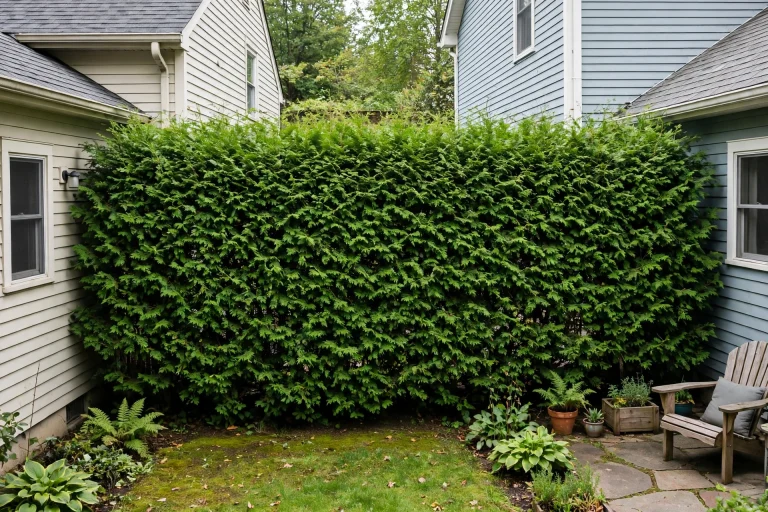
Film every window at once if the budget allows, but if it does not, prioritise the openings an intruder or a storm reaches first. Ground-floor windows and glass doors are the primary targets, followed by windows beside or above a door lock, basement windows, and any pane hidden from the street by a fence or hedge. On the storm side, prioritise the elevations that face the prevailing wind and the largest panes, which catch the most debris.
Check the frame condition before committing to a room. Edge anchoring bonds the film to the frame, and a rotten, loose, or badly out-of-square frame will not hold an anchor. A good installer walks the house with you, notes which openings matter, and tells you honestly if a frame needs repair first. Film on a failing frame is money spent on a barrier that has no anchor.
Edge Anchoring: The Detail That Turns Film Into a Real Barrier
Edge anchoring is what separates a filmed window from a protected one. Without it, a determined intruder can push the entire filmed pane out of the frame once the glass is broken. With it, the film, the glass, and the frame act as one unit. The common methods are a structural silicone bead run between the film edge and the frame, a wet-glaze sealant, or a mechanical anchoring bar screwed to the frame over the film edge.
| Anchoring method | How it works | Strength | Best for |
| Film only, no anchor | Adhesive holds glass to film | Basic containment | Low-risk rooms, budget jobs |
| Structural silicone bead | Bead bonds film edge to frame | Good delay | Most residential security jobs |
| Wet-glaze sealant | Sealant locks film into glazing channel | Strong | Replacement glazing, storm zones |
| Mechanical anchoring bar | Metal bar screwed over film edge | Strongest | High-threat, hurricane systems |
For residential security, a structural silicone bead is the usual choice: effective, discreet, and far cheaper than a bar system. For hurricane-rated performance, the anchoring must match the system that was tested — mixing a tested film with an untested anchor voids the rating. Ask the installer which standard the complete assembly meets, not just the film.
Installing Security Film Step by Step
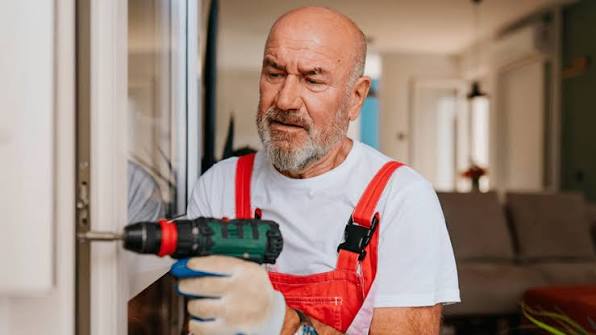
Professional installation is recommended for 8 mil film and above, because thick film is stiff, unforgiving, and hard to apply bubble-free. A careful DIY job is possible with 4 mil safety film on a small, flat pane, but the steps below describe the professional process so you can judge the work and spot a shortcut.
Measure each pane and cut the film oversized by about an inch on every side.
Clean the glass thoroughly, scraping off paint spots and residue that would show as bubbles.
Spray the glass and the film’s adhesive side with application solution.
Position the film on the interior surface and squeegee from the centre outward to remove solution and air.
Trim the film to the frame with a sharp blade, leaving a hairline gap for the sealant.
Apply the edge anchoring — silicone bead, wet glaze, or bar — where specified.
Wipe the edges, check for trapped debris, and leave the window untouched while it cures.
Most residential jobs finish in a day, and the work happens inside the house, so weather rarely delays it. A good installer documents the film type, thickness, and anchoring for your insurance carrier, since many insurers reduce premiums for security film and ask for proof of installation.
Curing, Cleaning, and the 30-Day Wait
Security film reaches full adhesion in about thirty days. During that time the adhesive is still bonding, and the film can look slightly hazy or show small water pockets under the surface — both are normal and both clear as the application solution evaporates. Do not clean the film during the cure, do not press on it, and do not hang anything from the window. Opening and closing the window is fine, but avoid slamming it.
After curing, clean the film with a soft cloth and a mild, ammonia-free cleaner. Ammonia-based glass cleaners can attack the film’s hard coat over time. Never use a razor scraper or an abrasive pad on the film surface. With proper care, a quality security film lasts well over a decade, and most carry a manufacturer warranty of ten years or more.
Security Film Slip-Ups That Leave Glass Unprotected
The most common failure is choosing the wrong thickness for the threat: a 4 mil safety film sold as security film, or an 8 mil film applied without anchoring and expected to stop a determined intruder. The second is dirty glass — a speck of dust trapped under the film becomes a visible bubble and a weak spot in the adhesive. The third is cleaning too soon or with ammonia, which damages the coating before it has cured.
- Installing film on the exterior surface, where weather and UV degrade the adhesive.
- Skipping the frame inspection, so the anchor has nothing solid to bond to.
- Cutting the film short of the frame, leaving an unprotected strip of glass.
- Expecting film to stop a bullet or an explosion on its own.
- Forgetting to document the install for the insurance discount.
When Film Is Enough and When You Need Laminated Glass Instead
Film is the right answer when the existing glass is sound and the goal is to add delay and debris protection without replacing windows. Laminated glass — two panes bonded with a plastic interlayer — is the stronger option for new construction or window replacement, because the protection is built into the unit and the interlayer is thicker and more consistent than any applied film. For a home that already needs new windows, laminated units are worth pricing.
For the highest physical protection, a polycarbonate or acrylic sheet mounted over the opening provides a semi-permanent barrier that is highly impact-resistant — polycarbonate offers up to 250 times the impact resistance of standard glass. Pre-cut plywood panels are the temporary storm option. Film sits in the middle: invisible, affordable, and always in place, which is exactly why it fits most homes.
Window Security Film FAQs
Does security film make glass unbreakable?
No. The glass still breaks, but the shards stay bonded to the film and the pane stays in the frame. Film turns a broken window from an open hole into a barrier that takes repeated effort to get through.
How thick should residential security film be?
For real forced-entry delay, 8 mil is the usual residential starting point. Use 4 mil only for basic safety and glass containment, and 12 mil or more for high-value glass or severe storm zones, always with edge anchoring.
Can I install security film myself?
Thin safety film on a small flat pane is a realistic DIY job. For 8 mil film and above, professional installation is strongly advised — thick film is stiff, hard to apply bubble-free, and the anchoring that makes it effective needs experience.
How long does security film take to cure?
Full adhesion takes about 30 days. Small water pockets and a slight haze during that time are normal and clear on their own. Do not clean the film or press on it until curing is complete.
Will security film stop a hurricane?
Film alone will not stop a hurricane. A tested system — film plus anchoring meeting ASTM E1886/E1996 or Miami-Dade TAS standards — resists windborne debris and keeps the opening sealed, which is what protects the house.
Does security film lower insurance premiums?
Many insurers reduce premiums for professionally installed security film, especially in storm-prone regions. Ask your installer for installation documentation and confirm the discount with your carrier before the work starts.
Final Thoughts: Film Buys Time — and Time Is the Point
Security film does not promise an unbreakable window, and any product that does is overselling. What it promises is time: thirty to sixty seconds against a burglar, and a sealed opening against storm debris that would otherwise open the house to wind and rain. Choose 8 mil or thicker for real protection, anchor it to a sound frame, let it cure for thirty days, and document it for your insurer. For the cost of a fraction of a window replacement, the weakest point in your home’s perimeter stops being an open invitation.