How to Choose the Right Laser Welding Machine for You
Buying a welding platform is one of those decisions that shapes shop output for years. The wrong spec means slow work, wasted consumables, and a frustrated operator. The right spec turns quoting into a competitive advantage. Fiber lasers make the choice trickier because the specs on paper rarely explain how the machine performs on real parts. Two units rated at 1500 watts can behave completely differently once you plug in filler wire and start on a stainless corner joint. This guide walks through the practical questions a shop owner or lead welder should answer before signing an invoice. It draws on real production scenarios rather than brochure claims, so by the end you should know which power class, format, and support package match your work. Whether you build fixtures, custom enclosures, or one-off restoration parts, the process below will help you narrow the field and avoid the common trap of overpaying for capacity you never actually use.
Match the Machine to Your Materials
Your daily material stack decides more than any other single factor. Shops running mostly thin stainless and aluminum sheet under three millimeters can operate happily on a lower-power unit. Shops joining thicker structural steel, copper, or exotic alloys need a stronger platform to keep the beam moving without pausing. A quick way to check is to open your last three months of jobs and list the base metals by frequency. If ninety percent of your work sits in one thickness range, buy for that range with maybe twenty percent of headroom. Overbuying wastes floor space, power, and money you could spend on training.
Special Cases for Mixed Materials
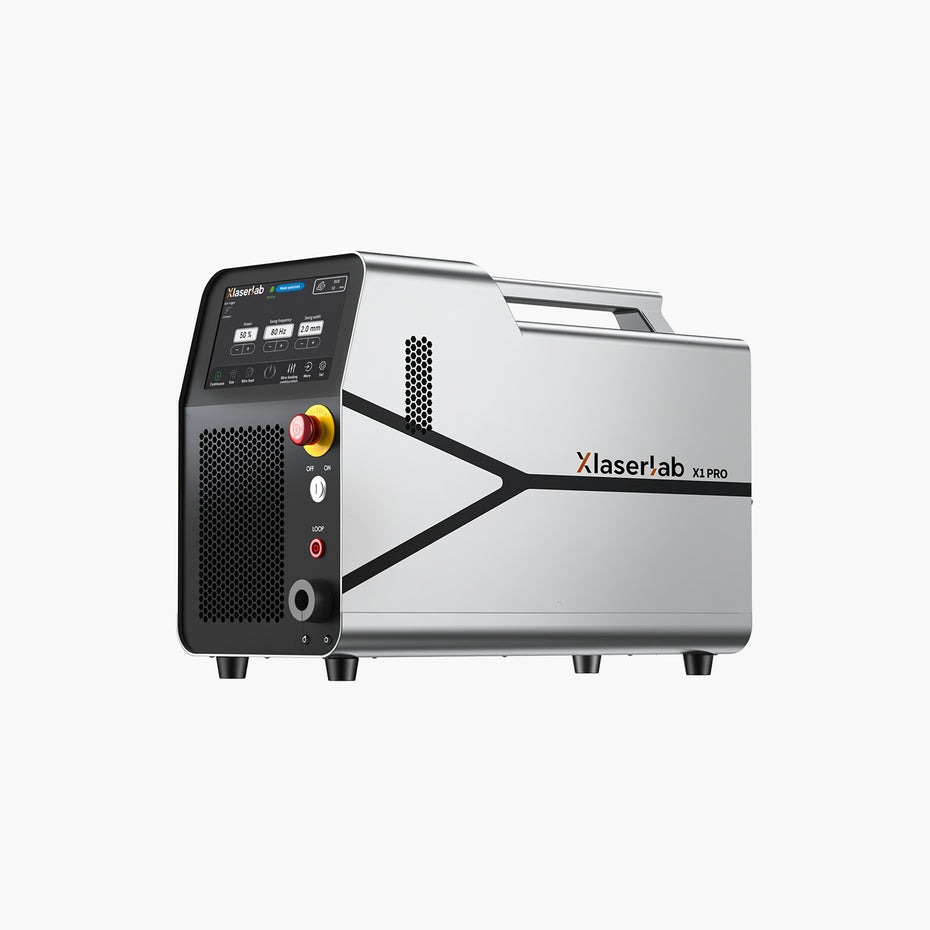
Some shops handle a mix of aluminum, brass, and coated steels in the same week. In those cases, look for a machine with adjustable wobble patterns, tunable pulse shaping, and a wire feeder that swaps spools quickly. A flexible platform saves setup minutes on every job, and those minutes compound fast across a production run. Xlaserlab units built around modular wobble heads tend to fit this profile because operators can dial in aluminum-friendly settings without changing hardware.
Understanding Power Ratings
Wattage numbers dominate marketing sheets, but they only tell half the story. What matters is how the wattage converts to travel speed and penetration on your target material. A well-engineered laser welding machine at 1500 watts often outperforms a poorly tuned 2000-watt unit because the beam quality, focus optics, and cooling loop all affect real-world output. Ask the vendor for cut samples on your material, not their material. If they hesitate, that hesitation is data worth remembering.
Duty Cycle Matters More Than Peak Power
Peak power sells machines, but duty cycle keeps them working. A unit that runs at full power for ten minutes then throttles back is a poor fit for production. Look for continuous duty ratings and confirm the chiller can hold temperature across a long shift. Many shops discover this limit only after the second summer, when ambient temperatures push the loop past its comfort zone and welds start turning soft in the middle of an otherwise routine order.
Handheld or Fixed: Picking a Format
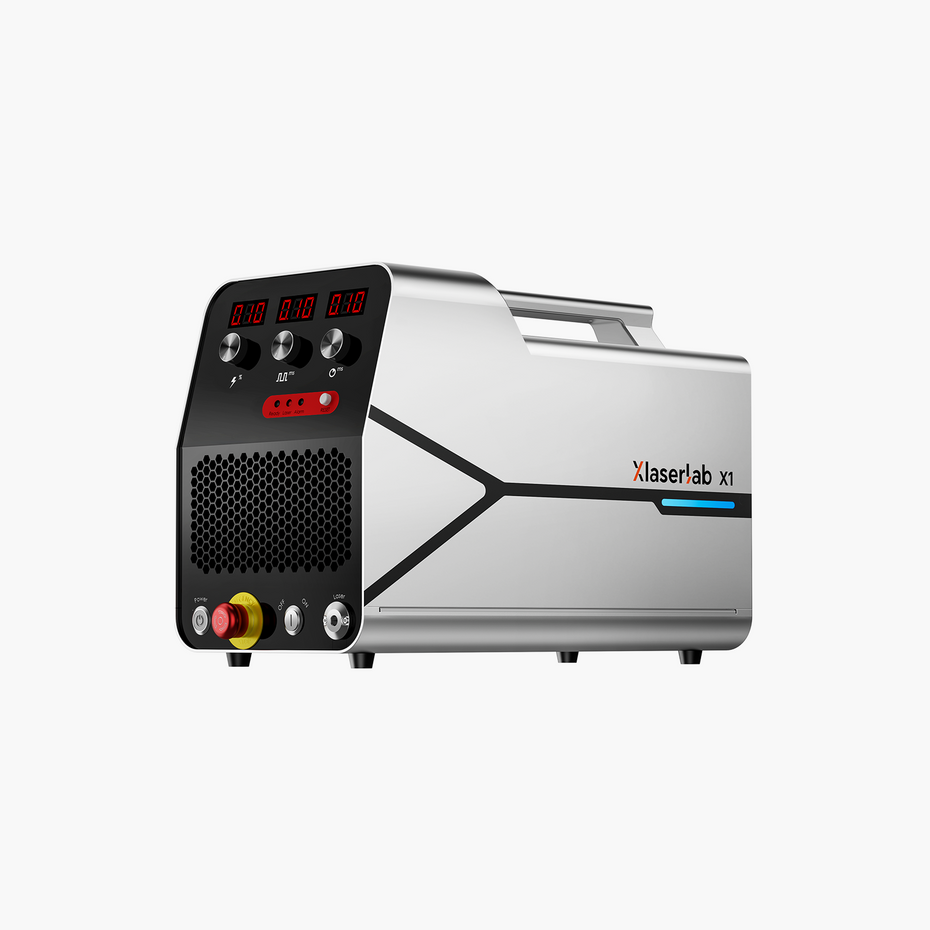
Handheld heads dominate the small-shop market because they mimic the feel of a TIG torch and adapt to any part on the bench. Fixed gantry systems belong on production lines where the same joint repeats hundreds of times a day. If you build unique assemblies, choose handheld. If you build the same trailer frame every week, a fixed head with a rotary axis will pay back faster. Some owners run both, using handheld for one-offs and gantry for repeat orders, which keeps the operator focused rather than switching mental modes throughout the day.
Cost, Training, and Long-Term Value
Sticker price is the smallest part of ownership cost. Training, consumables, service response, and lens replacement stretch across years. Ask for the local service coverage before comparing prices. A cheaper machine with a six-week service window will hurt the business the first time a lens cracks mid-batch. Build a simple three-year cost table that includes:
- Purchase price and financing terms
- Training hours for two operators
- Yearly consumables and shielding gas
- Service contract or field call rates
Compare the table across two or three vendors and the real winner usually shifts from the cheapest unit to the one with the strongest post-sale support. That is the number your accountant will care about, not the headline invoice sitting on the desk during the demo.
Making the Confident Purchase
Choosing the right welding platform comes down to matching real work to real specs. Skip the brochure comparisons and focus on your material mix, your operators, and the service network around your shop. Bring samples to every demo, and treat the vendor conversation as a test of how they will support you in year three, not week one. The best purchases feel almost boring afterward because the machine just fits, day after day. That fit is what separates shops that grow into their new capability from shops that resent the investment for years. Take your time on this decision, involve the welder who will use the tool, and lean on operators in your network who already own similar systems. Their unvarnished feedback is the closest thing to a warranty on the actual buying decision itself.